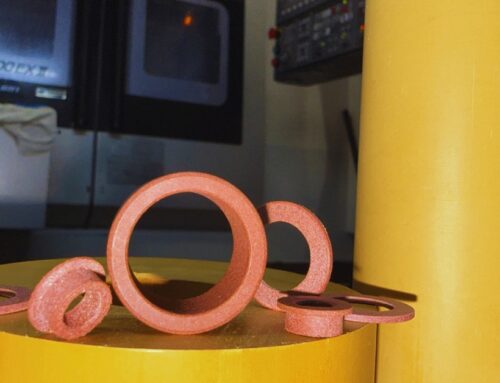
When engineers in the semiconductor industry need plastic components, they turn to manufacturing processes that provide them with precision and flexibility. Although there are many approaches that they can take, one that provides them with exceptional benefits is computer numerical control (CNC) machining. This approach has revolutionized the fabrication of plastic components. Read on to learn how CNC machining powers semiconductor plastics and delivers high-quality solutions engineers can rely on.
What Is CNC Machining?
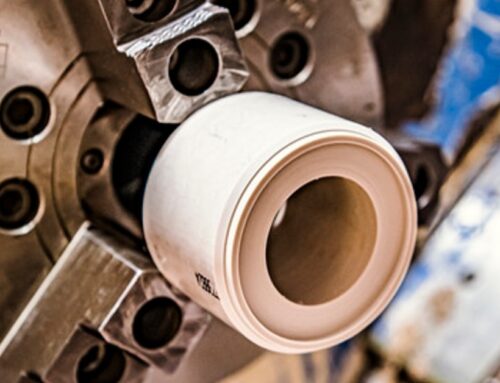
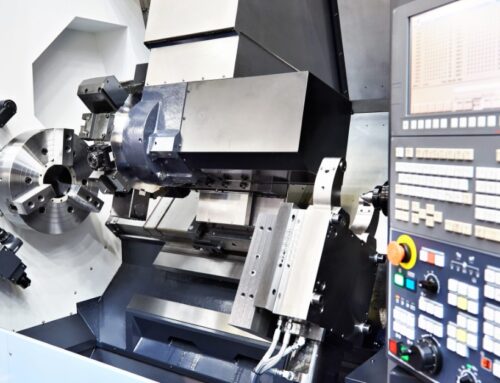
CNC machining is a process where manufacturers use software to direct their tools and machinery. Unlike manual machining, digital commands direct tools to cut, shape, drill, and mill materials with extreme precision.
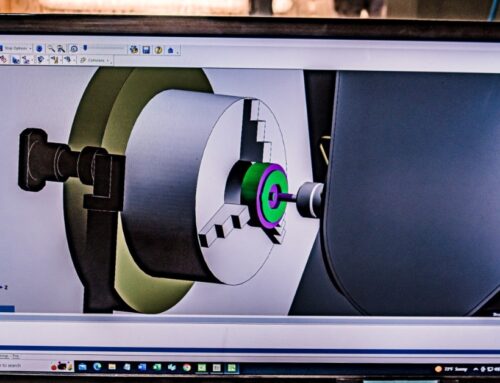
Manufacturers start this process with a computer-aided design model of the desired component and convert it into a CNC program that instructs the machine on cutting paths, feeds, and speeds. The use of advanced programming ensures seamless fabrication of even the most complex parts.
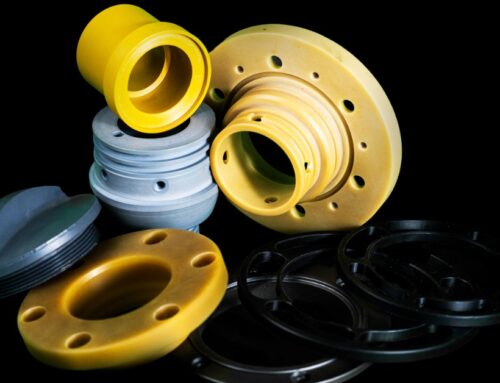
CNC machines can also help engineers create intricate components with minimal tolerance deviations. For semiconductor applications, where precision can define the difference between success and failure, CNC machining is indispensable. Manufacturers have found CNC machining to be very useful when working with high-performance plastics such as PEEK, Torlon®, Ultem®, and Vespel®. Companies frequently use these materials within the semiconductor sector due to their superior thermal, chemical, and mechanical properties.
How Does It Improve Semiconductor Parts Production?
The semiconductor industry requires components that can reliably perform under high temperatures, mechanical stress, and chemically aggressive environments. CNC machining brings several benefits to the table, enabling engineers to meet these requirements while optimizing production workflows. Read on to learn the various ways that CNC machining powers semiconductor plastics.
Improved Accuracy
If there is anything semiconductor companies need, it is accuracy. CNC machining offers unmatched precision due to its computer-driven programming and automated controls. Engineers can consistently machine plastics into intricate shapes that align perfectly with design specifications.
This level of accuracy is crucial for producing components such as wafer-handling tools, insulation sleeves, and microfluidic devices, where even minor geometric discrepancies can compromise performance. Furthermore, CNC machines minimize human error by automating the machining process. This ensures uniformity across production runs and gives engineers the reliability they need.

Decreased Production Times
Semiconductor manufacturing operates within tight deadlines, which CNC machining helps engineers meet. The technology accelerates production timelines by leveraging digital programming for around-the-clock operation. Once an engineer finalizes a CAD design, and the CNC machine receives it, production can proceed without interruption.
This efficiency reduces lead times, enabling semiconductor manufacturers to receive high-quality components more quickly. CNC machining can also be especially beneficial when prototyping new semiconductor parts. The ability to program machines with updated designs in minutes speeds up the iteration process. For example, when engineering insulation components made of Torlon® or Ultem®, you can make minor alterations to the CAD model almost instantly. This allows you to change designs before you begin manufacturing and avoid wasting resources.
The Manufacture of Innovative Designs
The semiconductor industry frequently pushes the boundaries of innovation. Engineers must design components that perform reliably under increasingly challenging conditions, including extreme heat, high pressures, and chemical exposure. CNC machining enables engineers to make next-generation designs a reality while accommodating complex geometries and profiles.
For instance, manufacturers can machine plastics such as PEEK and Vespel® into wafers or intricate thermal isolation components with exacting specifications. The multi-axis capabilities of CNC machines allow for the creation of features such as complex channels or sharp undercuts that are difficult, if not impossible, to achieve with traditional machining methods.
Additionally, CNC routers can process both internal and external features with precise control, ensuring the high performance of semiconductor components. CNC machining also supports innovation through its compatibility with advanced simulation tools. Engineers can model the behavior of their finished designs under real-world conditions, tailoring geometries to meet specific thermal or mechanical needs. This iterative design flexibility results in the production of cutting-edge semiconductor parts that lead the industry forward.
Cost Reduction
CNC machining also offers the benefit of cost savings to the semiconductor industry. The technology’s efficiency leads to less material waste, an important factor when working with expensive plastics such as Torlon® and Vespel®. Every cut and movement of the CNC machine follows the CAD design, ensuring the maximization of material.
The repeatability of CNC machining also eliminates costly errors that can occur in manual machining processes. Engineers can produce batch after batch of components without the need for quality remediation, reducing time and labor devoted to rework. For businesses producing high-performance parts such as Ultem® valve seats or PEEK chip carriers, the benefits of cost-effective CNC machining translate directly to better profitability.

Flexibility With Various Plastics
Semiconductor applications demand the use of multiple high-performance plastics to meet diverse operational requirements. CNC machining supports this versatility, offering consistent performance across materials including PEEK, Torlon®, Ultem®, and Vespel®. Each of these plastics has unique properties that make them suitable for distinct semiconductor roles, and CNC machining ensures that engineers can leverage these properties effectively.
For example, PEEK’s durability makes it a good fit for wafer-handling trays and high-temperature enclosures. Meanwhile, Torlon®’s exceptional resistance to wear and creep makes it ideal for insulation and structural applications.
CNC machining accommodates the unique challenges of each plastic, offering tailored speeds, feeds, and tool geometries to achieve the best possible results. Whether cutting ultra-precise microfeatures into PEEK or shaping complex insulation geometries out of Torlon®, CNC machining provides the adaptability engineers need for efficient and accurate production.
Enjoy the Benefits of CNC Technology With Plastic Machining Inc.
These examples show how CNC machining can meet the needs of the semiconductor industry for precision and innovation. This technology ensures that semiconductor manufacturers can obtain the reliable components they need at an efficient rate.
If you’re looking for a components supplier that can help you enjoy these benefits, contact Plastic Machining Inc. today. We have positioned ourselves as a leading plastic fabrication company by serving our customers with high-tech CNC equipment and employing a team of experts. Find out how we can infuse your business with a surge of innovation today.