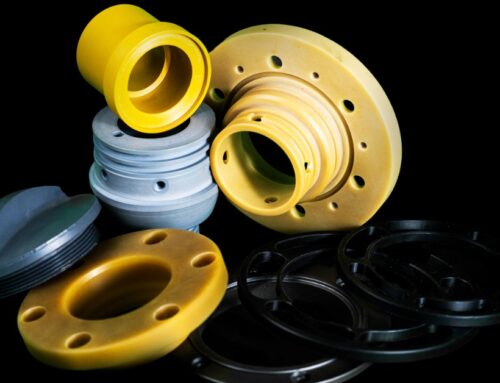
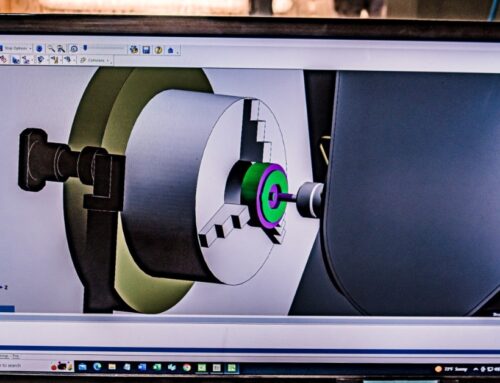
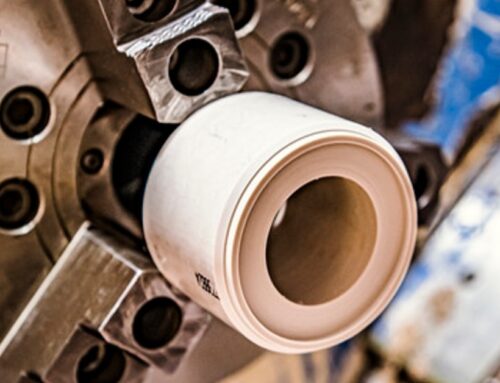
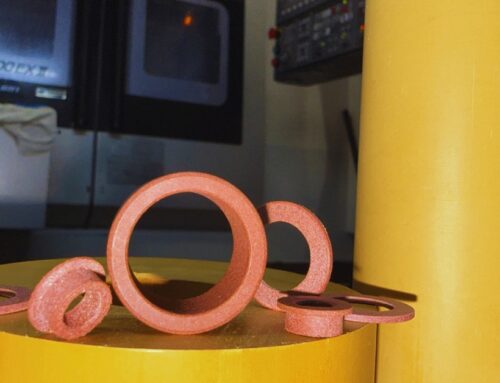
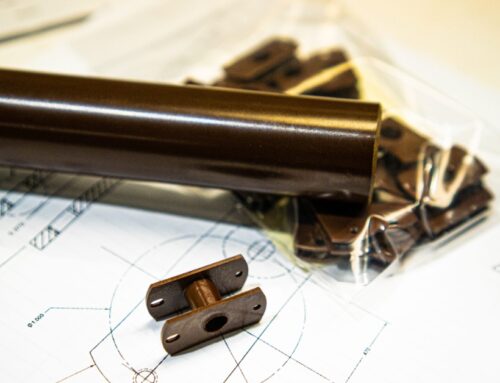
Many engineers have adopted computer numerical control (CNC) machining to produce plastic components that meet demanding requirements for geometry and performance. One of the process’s most valuable benefits is the design freedom it gives teams when creating custom parts for complex applications.
If you know little about this technology, now is the time to learn. Read on to discover how CNC plastic machining enables design freedom and delivers other advantages.
How CNC Machining Provides Freedom
Design freedom depends on whether a manufacturing process can support an engineer’s goals without introducing unnecessary constraints. CNC plastic machining gives design teams a flexible production approach that can accommodate the needs of both developing and established components.
Complex Geometric Capabilities
Multi-axis CNC equipment can create deep pockets, intersecting holes, and other features that would challenge simpler fabrication methods. Engineers can combine several functional details into one machined component, which can reduce assembly steps and eliminate interfaces that might loosen or shift during service. This capability gives design teams more room to shape a part around mating components or limited installation space.
CNC machining also supports controlled transitions between thick and thin sections when the selected plastic can tolerate the geometry. Designers can use radii, reliefs, channels, and contours to reduce stress concentrations or improve fit within a larger system. Careful toolpath planning helps machinists create these forms while limiting heat buildup and deformation in the workpiece.
Tight Tolerance Control

Many plastic components must align with precision hardware or move within a controlled clearance. CNC machining gives engineers the ability to specify close dimensional relationships across bores, shoulders, faces, and mounting features. Machinists can then adjust tooling, workholding, feeds, speeds, and inspection methods for the behavior of the selected polymer.
This precision matters because plastics respond differently than metals during cutting and measurement. Factors like thermal expansion and part flexibility can influence final dimensions, so experienced machinists must account for each factor. With those considerations built into the process, designers can pursue demanding fits without abandoning the performance benefits of plastic.
Design Revision Flexibility
CNC machining starts with programmable toolpaths rather than a dedicated mold, so engineers can revise a part without replacing expensive tooling. A design team can change things like a hole location or wall thickness and move directly into another machining cycle after updating the model and program. This flexibility supports iterative development when testing reveals new information about fit or assembly.
Rapid revisions also help teams compare multiple design approaches before committing to a production configuration. Engineers can evaluate alternate geometries or materials with less disruption than a tooling-dependent process would create. That freedom can shorten the path from concept to validated part while preserving room for informed changes.
Broader Material Selection
Another way CNC plastic machining enables design freedom is by working with a broad range of engineering thermoplastics and high-performance polymers. Designers can select a material for traits such as wear behavior or temperature capability. They do not need to limit the design to resins that suit a particular molding process or available mold configuration.
Material freedom also makes it easier to compare grades within the same polymer family. Engineers can match the grade to the operating environment while machinists adapt the process to its thermal behavior and tendency to hold stress.
Custom Low-Volume Production
Many advanced systems require specialized plastic parts in quantities that do not justify dedicated production tooling. CNC machining makes custom components practical for prototypes and limited production runs. Engineers can design around a specific machine or assembly without adapting the component to mass-manufacturing economics.
This approach also supports legacy equipment when original parts no longer remain available. A machinist can work from a drawing or model to reproduce a component while accounting for present-day material choices and operating needs.
Additional Advantages of CNC Plastic Machining

Design freedom creates value only when the manufacturing process can also support performance, repeatability, and project requirements. CNC plastic machining offers several additional advantages that help engineers move from an adaptable design to a dependable finished component.
Consistent Part Production
Computer-controlled motion allows the machine to repeat programmed operations across multiple workpieces with limited variation. After machinists refine the process, tooling, and workholding, the equipment can reproduce critical features across a production run. This repeatability supports assemblies that depend on controlled clearances, alignment, or interchangeability.
Consistency also depends on inspection and process documentation rather than machine motion alone. Measurement data can confirm dimensions and guide adjustments before variation affects an entire batch. For regulated or demanding applications, traceability records can connect finished parts with inspection results and production information.
Fewer Tooling Commitments
CNC machining also helps engineers avoid the major upfront tooling investment associated with molded production. They can allocate resources toward part development, testing, and material evaluation instead of committing early to a fixed tool. This advantage becomes especially valuable when annual volume remains modest, or the design may change during the product life cycle.
Lower tooling dependence also reduces the consequences of a revision. A dimensional change may require a new program or tooling adjustment, but it does not automatically require a completely new mold. Companies can respond to updated equipment or supplier changes while lowering the risk of losing money on obsolete tooling.
Functional Surface Control
For sealing faces, bearing surfaces, sliding elements, and visible features, CNC machining can produce finishes tailored to the component’s function. Tool selection and cutting parameters influence texture, edge quality, flatness, and the appearance of the finished part. Engineers can specify surfaces according to function rather than applying the same finish requirement across the entire component.
Machining also allows selective secondary work where the application requires it. Deburring, threading, engraving, detailed finishing, and inspection can follow the primary cutting operations within a controlled workflow. These options help align the final component with assembly, identification, and service requirements.
Simplified Production Transitions
CNC machining can also support both early prototypes and later production parts without requiring engineers to change the component’s fundamental manufacturing method. Instead, they can test a design in the intended material, study how the component behaves, and carry the approved geometry into repeat manufacturing. This continuity reduces the risk that a prototype made through one process will behave differently after conversion to another process.
Production planning can still evolve as quantities increase. Machinists can refine fixtures, toolpaths, inspection routines, and material preparation without changing the basic design intent. Teams gain a practical route from development to recurring orders while retaining the option to revise the part when the application changes.
Now you know how CNC plastic machining gives engineers the flexibility to shape components around real operating demands instead of rigid process limits. These capabilities make the process valuable for development work and finished parts used in demanding systems.
If you want to utilize CNC machining in your next application, contact Plastic Machining Inc. today. We can provide high-quality plastic fabrication services for a custom component that must meet your design and production requirements.