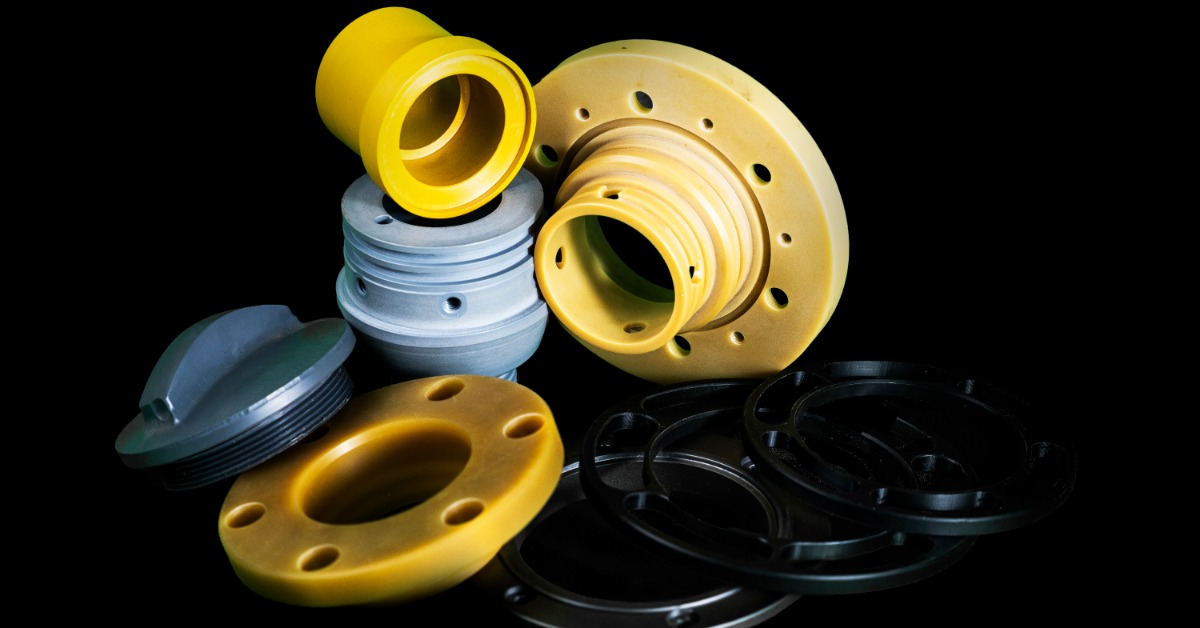
Engineers have relied on metal components for generations, and for good reason. Metals offer strength and predictable performance across countless applications. However, metal isn’t always the best choice for every precision-machined component.
Advanced engineering plastics can provide properties that metals struggle to match, particularly when weight, chemical exposure, or corrosion creates design challenges. CNC machining gives manufacturers the precision needed to turn these materials into complex components while maintaining demanding tolerances.
Choosing CNC plastics over metal parts requires engineers to evaluate the actual operating environment rather than defaulting to a familiar material. When the application matches the material’s strengths, machined plastics can improve performance while solving several engineering challenges at once.
Reduce Component Weight Without Sacrificing Function
Weight reduction represents one of the clearest reasons engineers replace metal components with machined plastics. Many engineering polymers weigh substantially less than common metals, which can make a meaningful difference in assemblies with many components.
Lower component weight can reduce the load placed on surrounding equipment. Moving assemblies may require less energy, while aerospace, robotics, and automated equipment can benefit from reducing unnecessary mass wherever engineers can safely do so.
Engineers still need to consider mechanical loads and long-term stresses before substituting plastic for metal. The goal does not involve choosing the lightest material available. Instead, designers need a material that delivers the required performance without unnecessary weight.
Eliminate Problems With Corrosion
Metal components often require coatings, plating, or other protective measures when moisture and corrosive chemicals enter the operating environment. Even then, scratches or coating damage can expose the underlying material and create opportunities for corrosion.
Many engineering plastics naturally resist moisture and a broad range of chemicals. That characteristic makes CNC plastic components valuable in medical systems and other environments where aggressive substances may contact critical parts.
Plastic also eliminates rust, which can simplify maintenance in environments where metal degradation creates ongoing concerns. Engineers should still verify chemical compatibility because polymers respond differently to various substances.
Gain More Electrical Design Flexibility
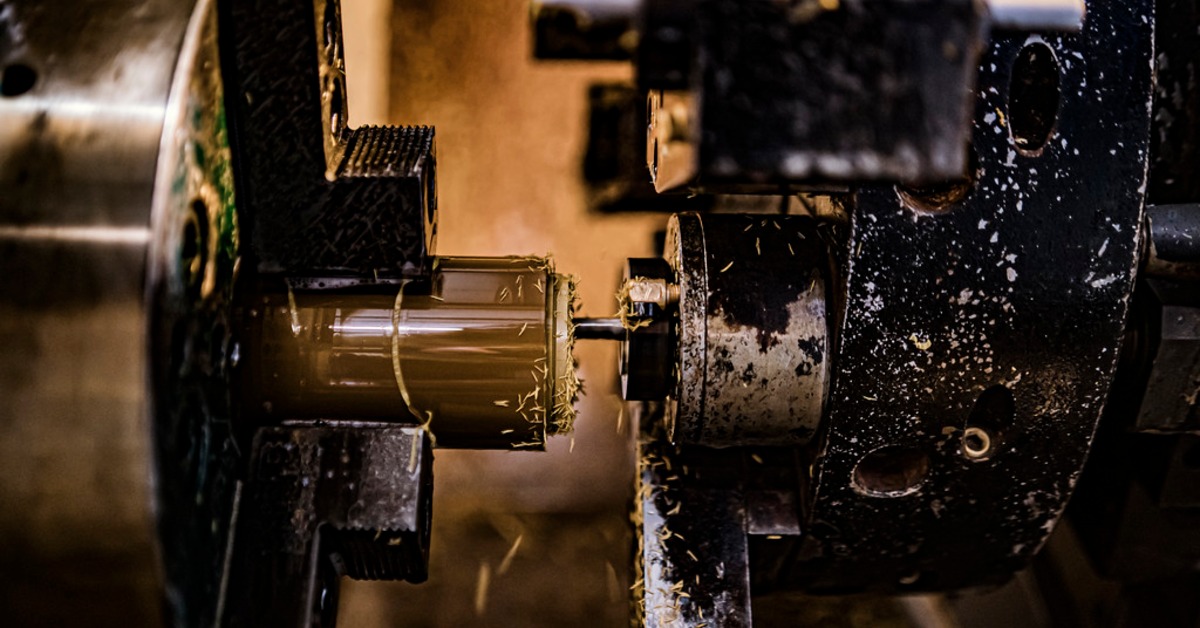
Electrical conductivity makes metals useful for many applications, but that same characteristic creates problems when engineers need electrical isolation. Plastics can provide both structural functionality and electrical insulation without requiring designers to add separate insulating layers.
That combination can prove especially useful in electronic equipment and scientific instrumentation. Engineers can machine insulators, spacers, connectors, housings, and other precision components from materials selected specifically for their electrical and mechanical properties.
High-performance polymers can also maintain useful properties in demanding environments where commodity plastics would struggle. Material selection remains critical because operating conditions influence long-term component performance.
Improve Performance in High-Friction Assemblies
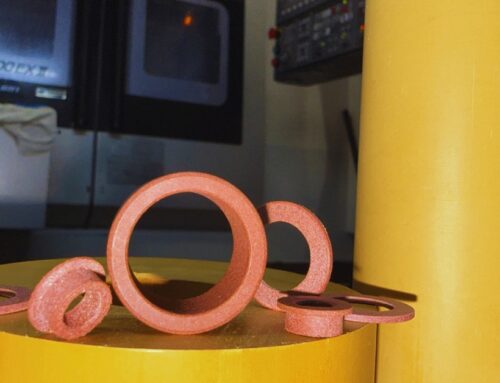
Metal-on-metal contact can create friction and lubrication requirements. Engineering plastics give designers another option for bearings, bushings, wear pads, rollers, guides, seals, and similar components that move repeatedly.
Certain polymers provide low coefficients of friction and strong wear characteristics. Those properties can help an assembly move smoothly while reducing dependence on external lubrication in applications where the selected material and operating conditions permit it.
Engineers commonly evaluate several factors when comparing plastic and metal for moving components:
- Operating temperature and expected temperature fluctuations
- Applied loads and mechanical stresses
- Sliding speed and frequency of movement
- Exposure to chemicals, moisture, or abrasive contaminants
- Dimensional tolerances throughout the component’s service life
- Friction and wear requirements within the assembly
Considering these factors together gives engineers a much clearer picture than comparing material strength alone.
Handle Demanding Temperatures With Advanced Polymers
The word “plastic” can suggest that every polymer softens quickly when temperatures rise. Commodity plastics certainly have limitations, but high-performance engineering polymers fall into a different category.
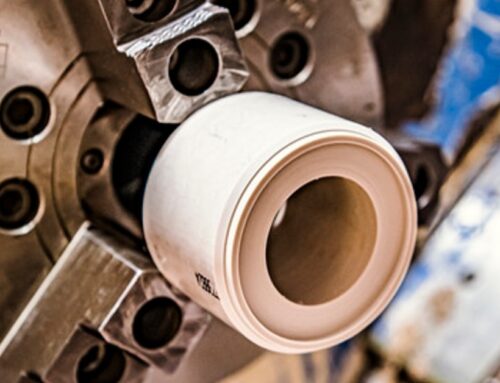
Materials such as PEEK, Vespel®, and Torlon® can support applications with demanding thermal and mechanical requirements when engineers select the appropriate grade. A component machined from Torlon® sheet, for example, may provide a useful combination of strength and elevated-temperature capability.
No plastic should enter a high-temperature application simply because its published maximum temperature appears acceptable. Engineers should consider continuous operating temperatures and the duration of those conditions before specifying a material.
Simplify Complex Component Designs
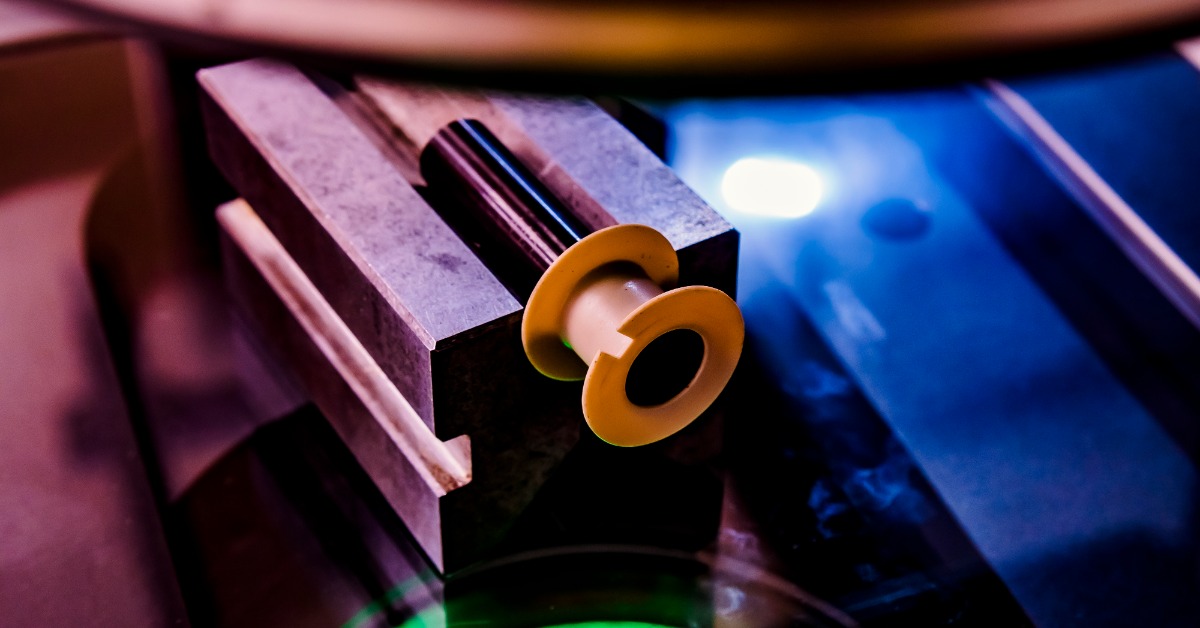
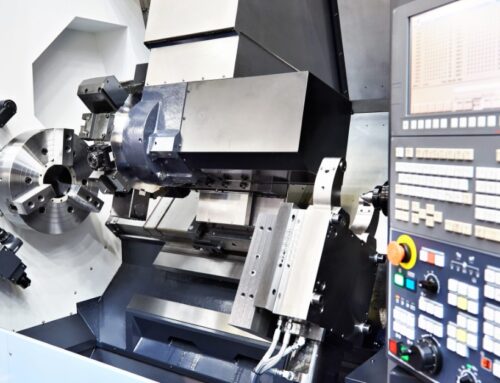
CNC machining gives engineers considerable design freedom with advanced plastics. Manufacturers can machine tight-tolerance features , and intricate geometries without relying on molds or other dedicated tooling.
That flexibility proves valuable during prototyping and low-to-medium production volumes. Engineers can revise a CAD model, machine another component, test the design, and refine it without committing to expensive molding tooling early in development.
Plastic machining can also allow designers to consolidate functions into fewer components. A carefully engineered part may replace a metal component plus separate insulation, corrosion protection, or low-friction elements, depending on the application’s requirements.
Consider the Total Cost of the Component
Engineers sometimes compare materials primarily by their raw stock prices. That approach can lead to misleading conclusions because a finished component’s price includes much more than material cost.
A metal component may require secondary processes such as plating, painting, heat treatment, lubrication, or corrosion protection. Plastic may eliminate some of those steps when the polymer already provides the required properties.
Machined plastics can also make financial sense when production volumes do not justify injection molding tooling. CNC machining lets manufacturers produce precise parts directly from stock shapes, giving engineers flexibility during development and supporting specialized production runs.
Know When Metal Still Makes More Sense
CNC plastics offer substantial advantages, but they do not replace metals universally. Applications involving extremely high structural loads, certain temperature extremes, severe impact conditions, or specific stiffness requirements may still demand metal.
Plastics also respond differently to sustained mechanical loads. Engineers must account for creep, thermal expansion, moisture absorption, and other material-specific behaviors that can change dimensions over time.
Successful material selection starts with the application’s requirements, not a preference for either plastic or metal. Engineers should define the mechanical and regulatory demands first. Those requirements can then guide the material decision.
Choose a Material Around the Application
The strongest argument for choosing CNC plastics over metal parts does not come from any single property. Their value comes from combining beneficial characteristics and design flexibility in one precision-machined component.
Selecting the right polymer requires detailed knowledge of both the material and the machining process. Plastics Machining Inc. specializes in custom precision-machined components for demanding industries, working with high-performance materials and ultra-tight tolerances for applications where dimensional accuracy and material performance matter.
Need a precision-machined plastic component that can outperform metal in your application? Contact Plastics Machining Inc. today to discuss your specifications and find the right high-performance material for your project.

Leave A Comment