Why PEEK Material Is Used in Electronic Components
Daniel Vincent2026-08-20T12:37:00-05:00PEEK material powers high-performance electronic components with precision for demanding applications. Explore its applications and how businesses benefit.
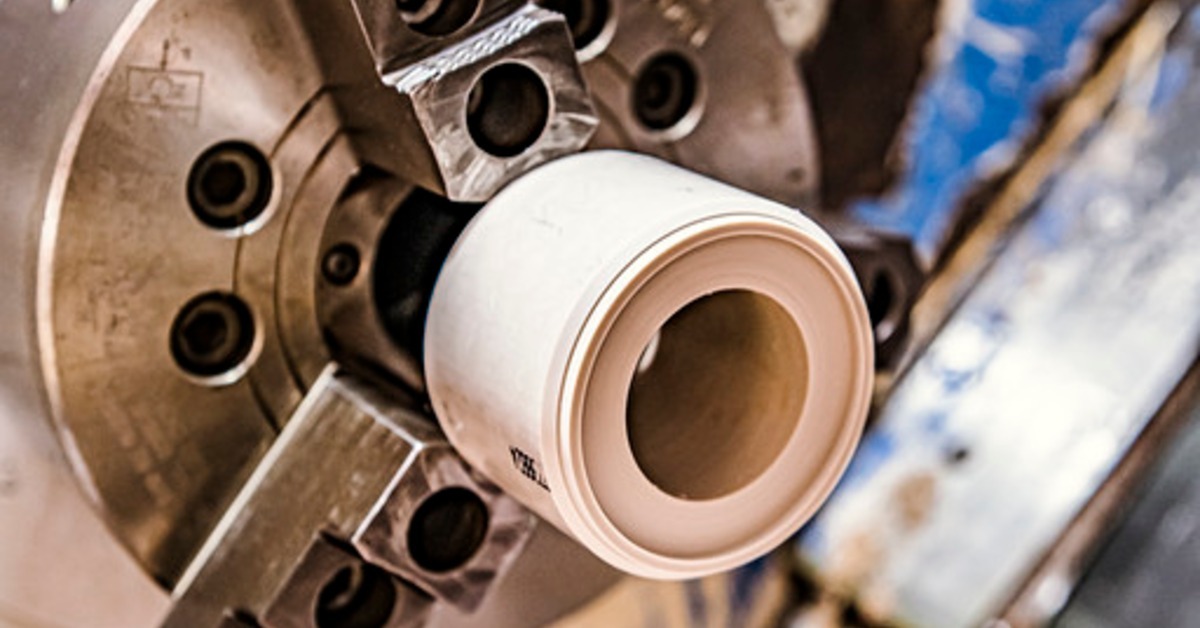
PEEK material powers high-performance electronic components with precision for demanding applications. Explore its applications and how businesses benefit.

CNC machining can help eliminate some of the restraints engineers encounter in component design. Learn how CNC plastic machining enables design freedom.
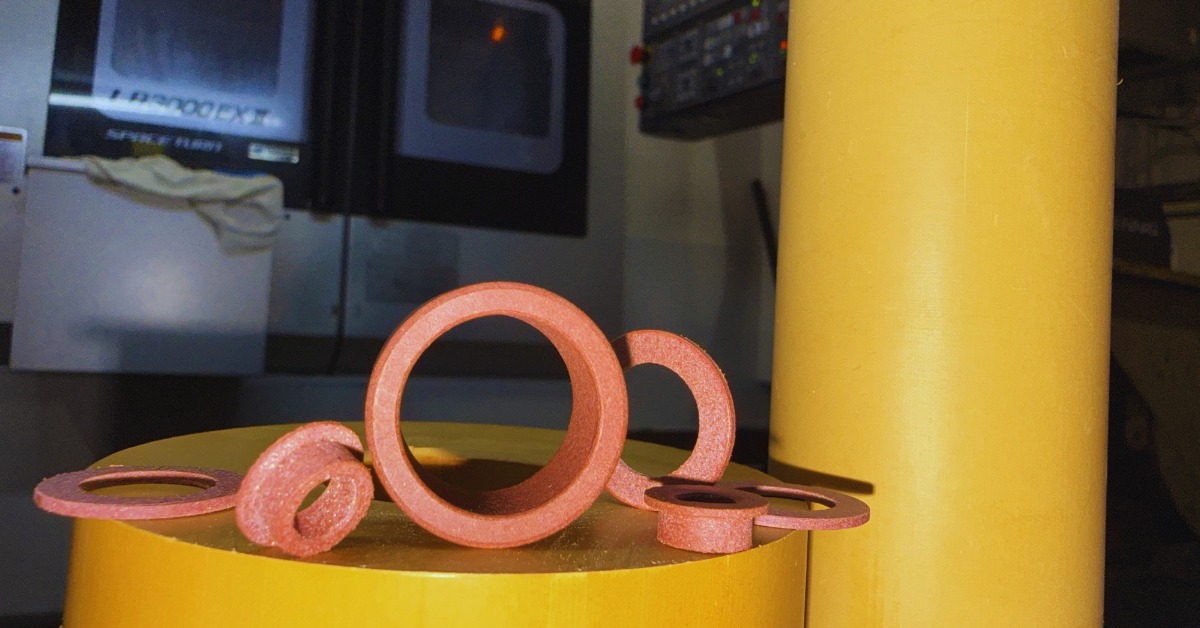
If you think all grades of Rulon® plastic are identical, think again. Learn to understand the differences between Rulon® J and LR in this blog.
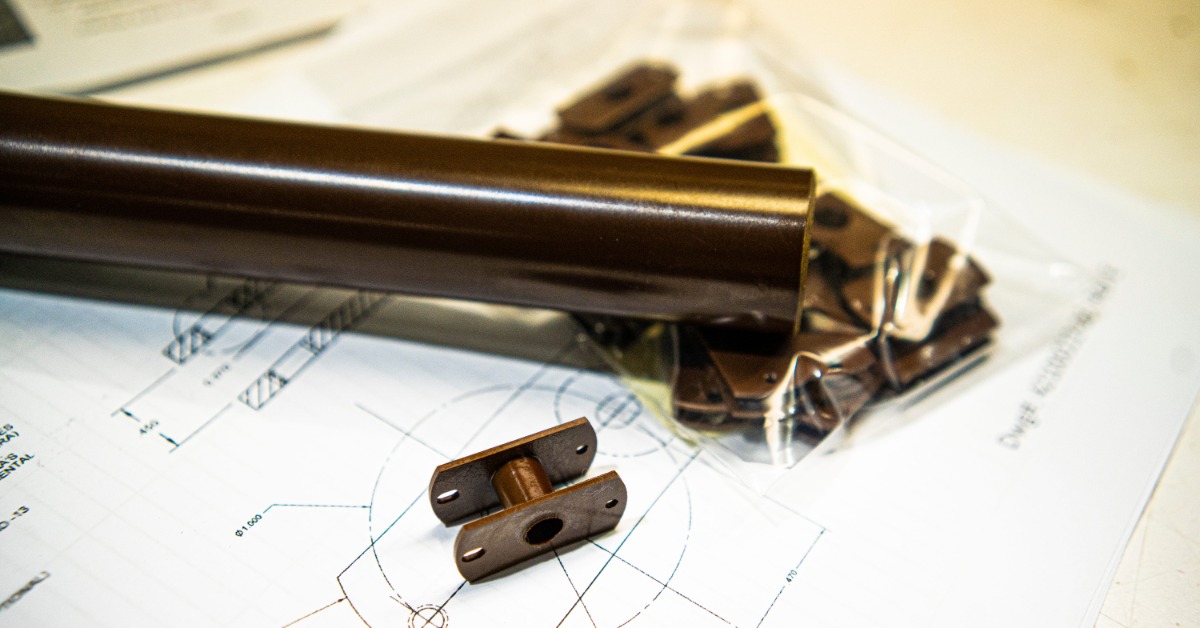
Both Vespel® and metal have renowned reputations among engineers as very strong materials. Find out how each one will perform in extreme conditions.

Torlon® 4203 PAI has proven to be an excellent solution for a range of industries requiring components. Find out where this material excels in real-world uses.
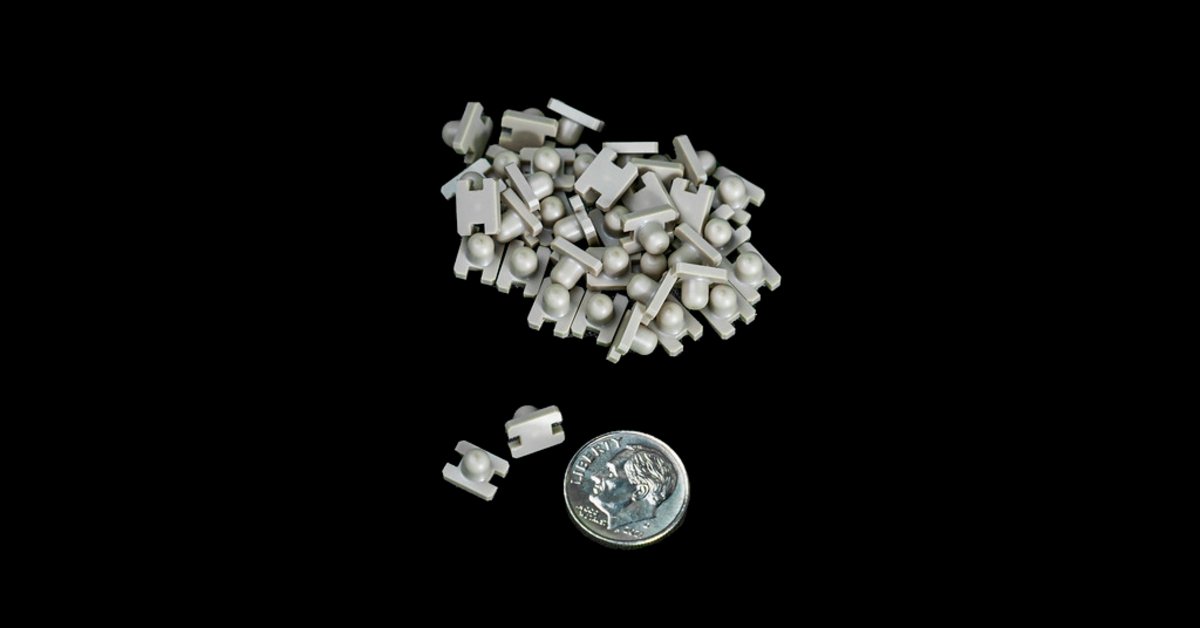
Frequent part failures can disrupt production and increase maintenance costs. Learn how the long-term reliability of machined PEEK parts can help.
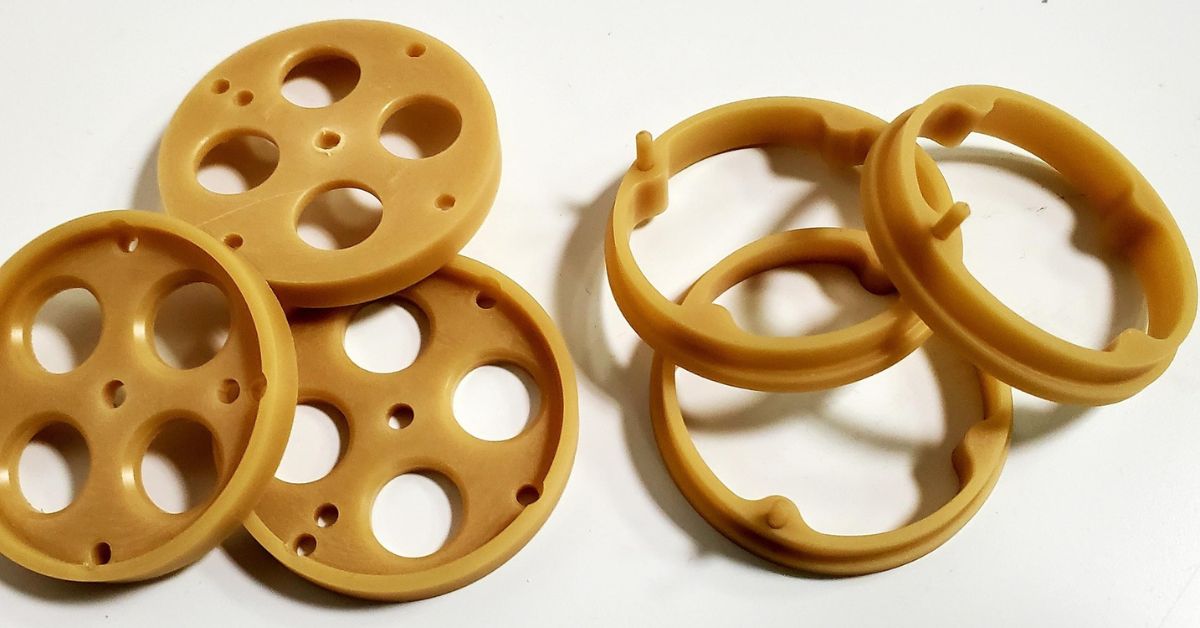
Plastic parts can fail under stress when their material structure does not match performance demands. Learn why crystallinity matters in plastic performance.
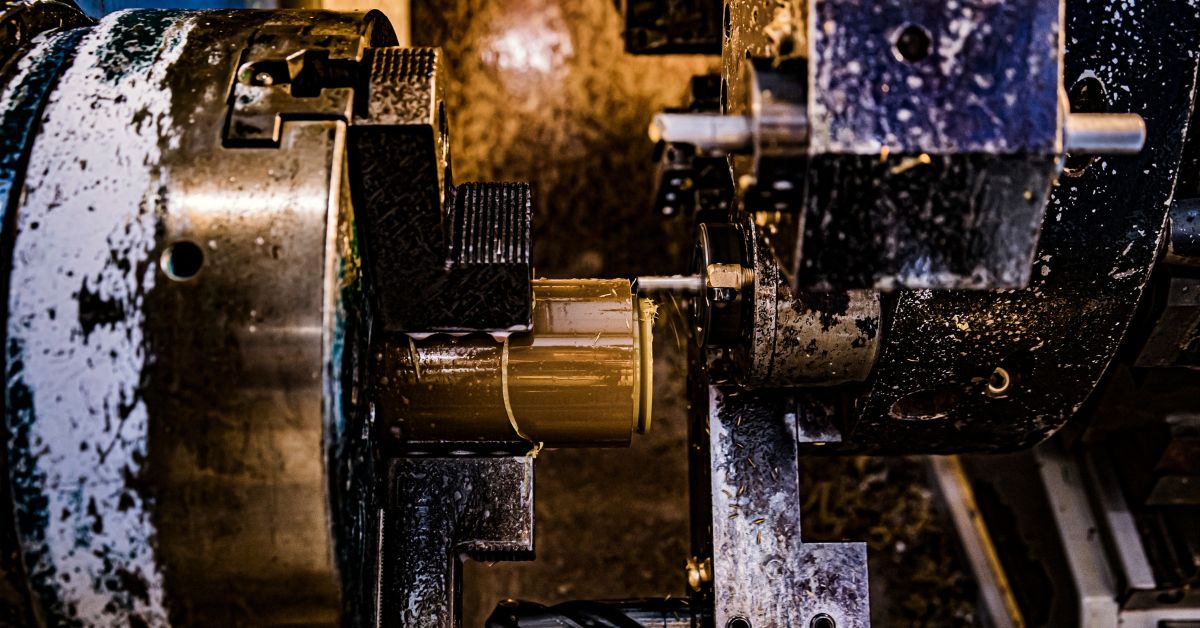
When bearings and seals face wear and chemical exposure, choosing the right material becomes essential. Discover the advantages of Rulon® bearings and seals.
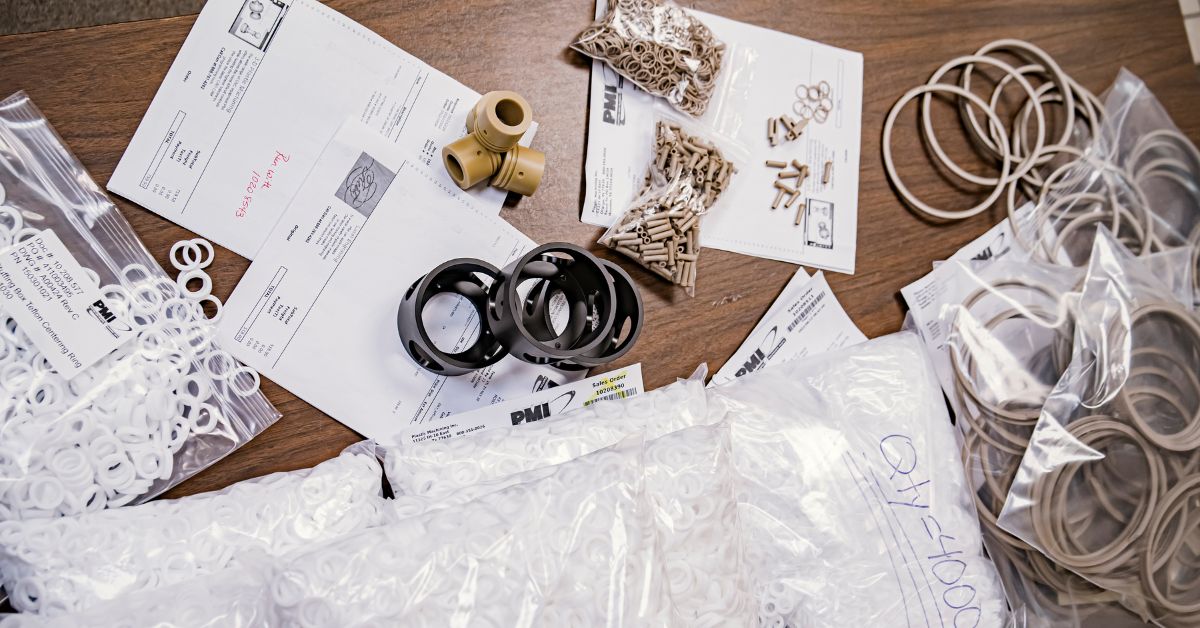
Are you struggling with rapid tool wear when machining Vespel® in your operations? Learn several tips to minimize this issue and better preserve your tools.

Engineers need to use smart practices to master Torlon® machining. Read on to learn several key tips and techniques for working with this polymer.