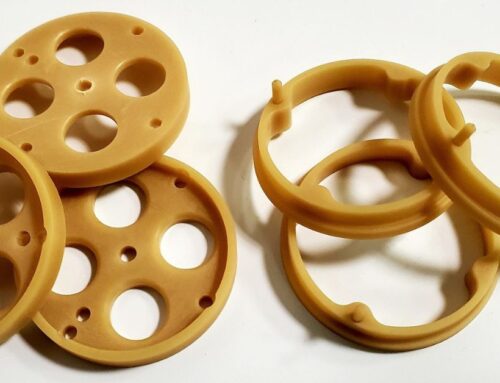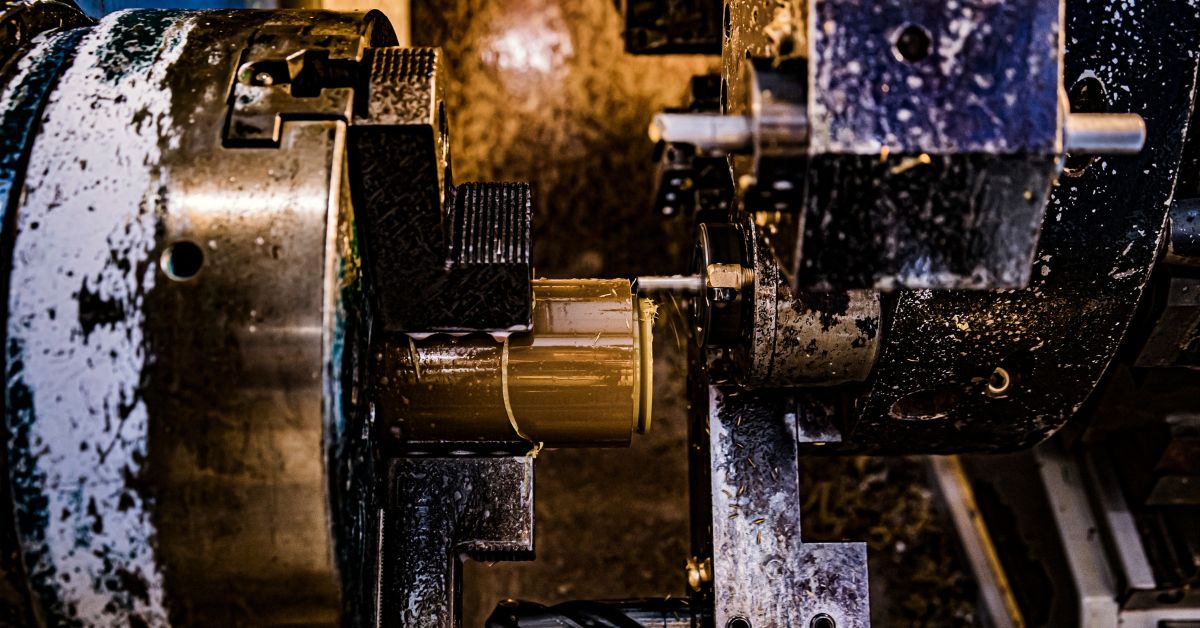
Engineers who specify bearings and seals need materials that can address multiple problems at once. That combination can be difficult to find in a single material, especially in applications where reliability matters more than simple cost comparison. Fortunately, Rulon® can meet their needs. Read on to learn about the various advantages of Rulon® bearings and seals.
Low-Friction Surface Behavior
One of the main reasons why engineers choose Rulon® plastic for bearings and seals is its naturally low-friction surface behavior. In moving assemblies, friction affects efficiency, startup force, heat generation, and long-term wear.
A material that reduces drag at the contact point helps components move more smoothly and consistently, even when the system cycles on and off throughout the day. That makes Rulon® especially useful in designs where predictable motion matters.
This low-friction performance gives engineers greater control over how a machine behaves under real operating conditions. Bearings made from high-friction materials can create resistance that increases motor load or causes uneven motion.
Seals can create similar issues when surface drag becomes high enough to affect torque, speed, or contact pressure. Rulon® helps reduce those concerns by offering a sliding surface that works well in demanding environments.
Impressive Wear Resistance
Wear resistance plays a major role in bearing and seal performance. A material may slide well at first, but if the surface wears down too quickly, the part loses its value. Engineers often choose Rulon® because it withstands repeated motion and contact over long service intervals. That durability makes it appealing in applications where maintenance costs and replacement downtime can become expensive.
When a bearing resists wear, it keeps its geometry longer and helps preserve proper alignment inside the assembly. When a seal wears slowly, it holds contact more consistently and reduces the risk of leakage or performance drift.
In both cases, greater wear resistance enables more stable operation throughout the part’s life. That stability matters in industrial systems where even a small loss in performance can affect output, quality, or uptime.
Self-Lubricating Properties
Many applications cannot rely on oil or grease as the primary solution for friction control. Some systems operate in clean environments where lubricants can contaminate the process. Others work in settings where maintenance intervals stretch too far apart for regular relubrication.
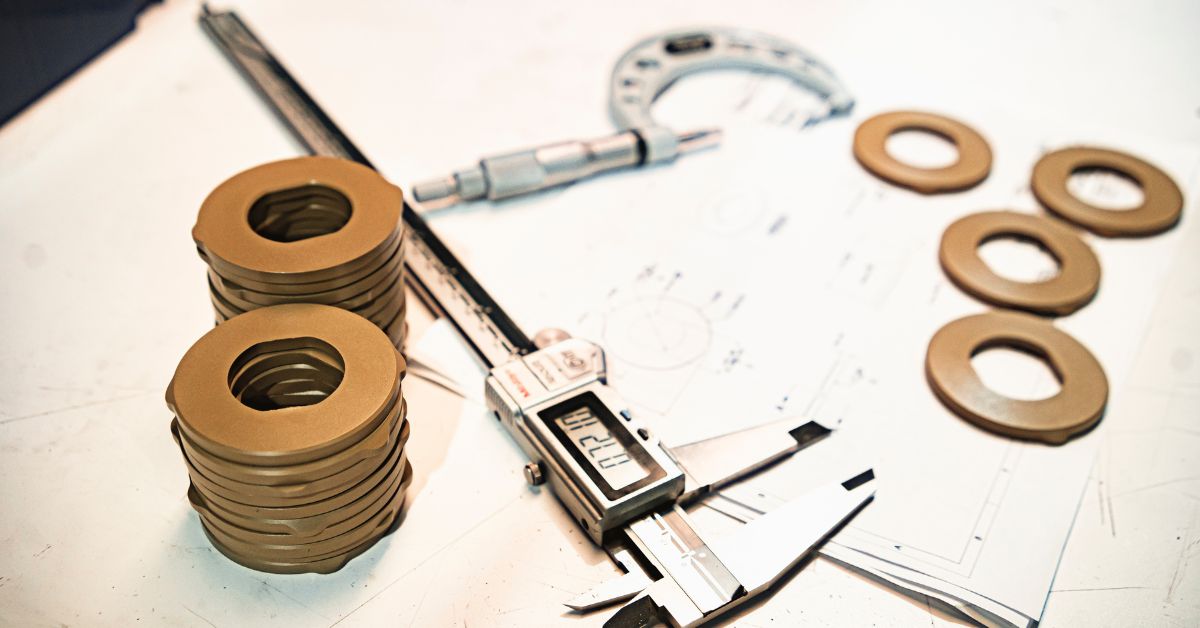
In those cases, self-lubricating materials offer a major practical advantage. Rulon® performs well in this area, which is one reason engineers often consider it for dry-running applications. Self-lubricating bearings can simplify machine design by reducing reliance on additional lubrication systems.
Designers may not need oil reservoirs, grease fittings, or the service procedures that go with them. That can make a machine easier to build, maintain, and keep clean. For engineers buying plastic parts, that simplicity often carries as much value as the performance data itself.
Seals also benefit from a material that can tolerate contact without immediate lubrication. During startup, intermittent operation, or temporary upset conditions, a seal may not always see ideal surface conditions.
A material that continues to function during those moments adds a layer of protection to the system. That extra tolerance can help prevent early damage and reduce the likelihood that short-term operating issues become larger maintenance problems.
Chemical Resistance
Another advantage of Rulon® bearings and seals is their substantial chemical resistance. These components often operate in environments with aggressive fluids, cleaning agents, solvents, and other process chemicals that can damage less robust materials. When a material swells, weakens, or changes shape after exposure, it can affect fit, motion, and sealing performance across the assembly. Engineers need a material that can handle chemical contact while maintaining its core properties over time.
Rulon®’s resistance gives engineers more flexibility when designing parts for pumps, valves, laboratory equipment, fluid-handling systems, and industrial process machinery. A bearing must continue to support smooth movement, and a seal must continue to maintain reliable contact, even after repeated exposure to harsh media. For that reason, engineers often value Rulon® in applications where chemical exposure and mechanical performance must work together.
Broad Temperature Capability
Bearings and seals often need to perform in equipment where temperatures rise well above normal room conditions or shift throughout the operating cycle. Heat can affect friction, wear, fit, and overall part stability if a material cannot handle those changes. Engineers often consider Rulon® when they need a bearing or seal material that can remain reliable as thermal demands increase.
That temperature capability gives engineers more confidence when designing Rulon® parts for systems with constant heat, thermal cycling, or temporary temperature spikes. A bearing must continue to support smooth motion, and a seal must continue to maintain contact, even under more demanding operating conditions. Rulon® performs well in applications where temperature stability and long-term performance must go hand in hand.
Dimensional Stability
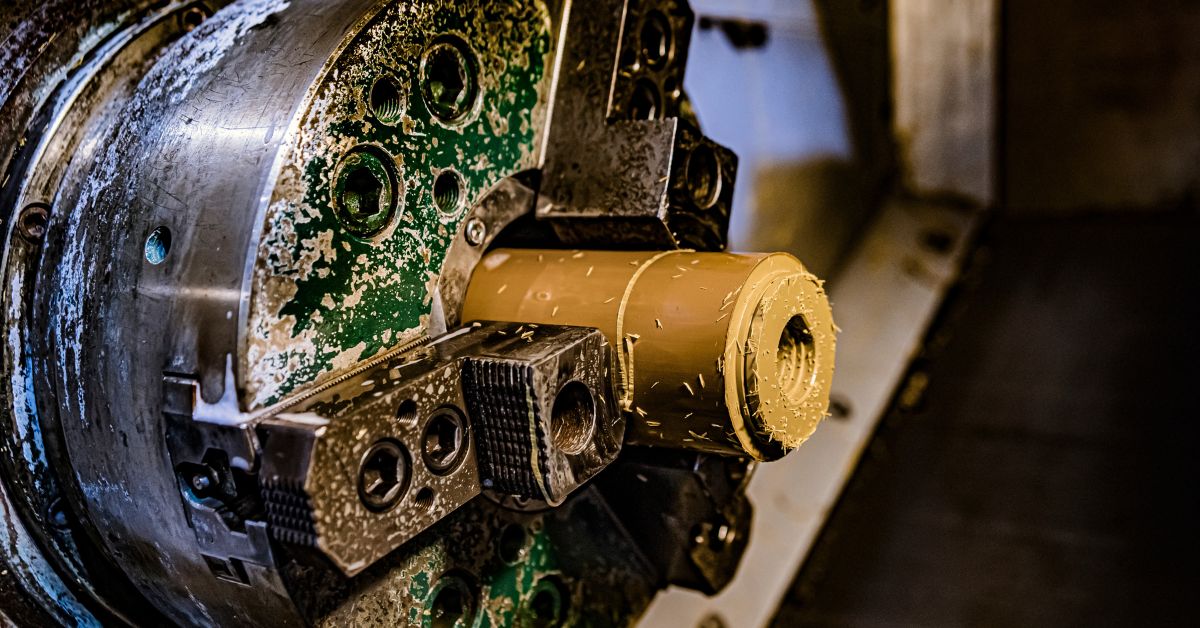
Engineers do not judge bearing and seal materials only by how well they slide. They also look at how well the part holds its shape under load over time. Continuous stress can cause some plastics to deform gradually, which changes clearances, contact pressure, and overall performance.
However, Rulon® offers an advantage because it supports demanding applications where dimensional stability plays a major role in part reliability. A bearing that changes shape under load can create alignment issues, uneven wear, or poor motion control. A seal that loses shape can reduce contact effectiveness and allow leakage where tight control once existed.
Modern systems often require components that continue to perform without frequent adjustments or replacements. A material like Rulon® that resists long-term deformation makes achieving that goal easier.
Multiple Grades
One last important advantage of Rulon® is that it offers a family of grades that engineers can evaluate based on different operating priorities. Some grades focus on wear resistance, while others suit low-friction motion, regulated environments, or specialized service conditions. That variety helps design teams match the material more closely to the application’s actual demands.
This matters because bearing and seal design rarely follows a one-size-fits-all approach. One system may need strong wear resistance during dry oscillation. Another may need low startup friction during repeated cycling. Engineers benefit when they can choose from a range of material options within the same family, rather than forcing every application to conform to a single specification.
That flexibility can also support more efficient sourcing and design standardization. Once a team becomes familiar with how Rulon® materials behave, it becomes easier to evaluate nearby grades for new projects or revised operating requirements. That shortens the learning curve and helps engineers move from concept to procurement with greater confidence.
As we’ve seen, Rulon® bearings and seals give engineers a range of qualities that make them a strong choice for applications where long service life, stable operation, and reduced maintenance all matter. When engineers need plastic components that support real-world performance rather than just basic function, Rulon® deserves serious consideration.
If you need high-quality Rulon® bearings and seals, contact Plastic Machining Inc. to discuss your requirements and request a quote. We’re ready to work with clients and deliver parts that match the demands of your designs.