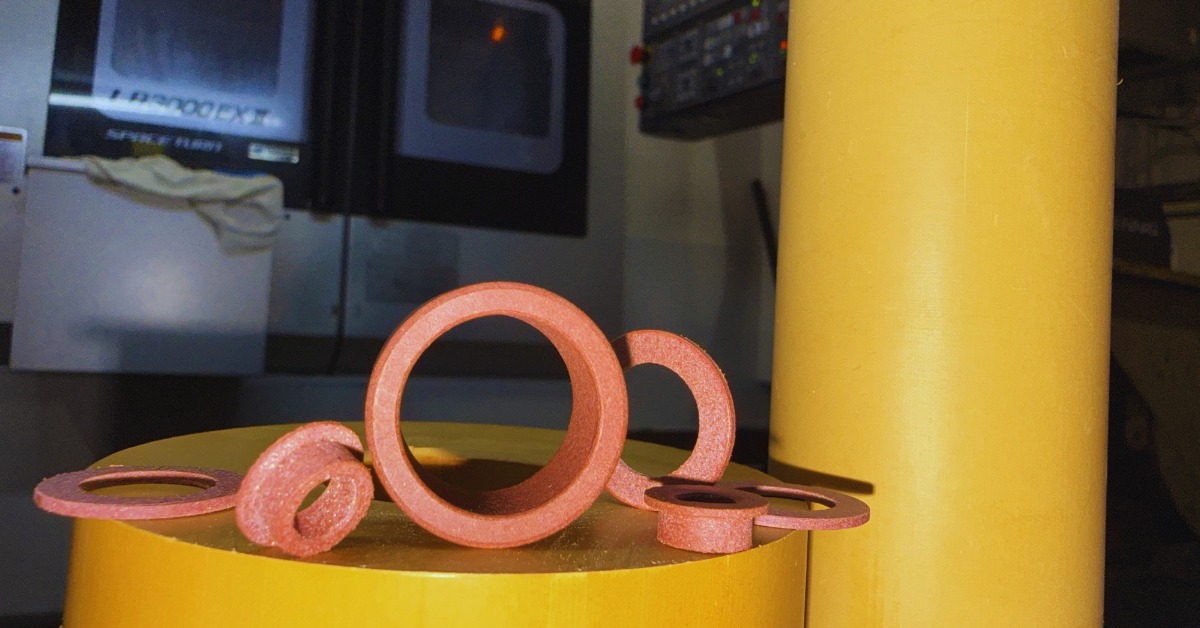
When engineers need a material that offers low-friction performance and wear resistance, they may turn to Rulon® plastic. However, they may not be aware that this material comes in different grades, each supporting a different combination of friction, wear, and mating-surface requirements.
Two grades that belong to this high-performance material family are Rulon® J and LR. But they do not serve the same design priorities. Read on to get a better understanding of the differences between the two.
Characteristics of Rulon® J
Rulon® J offers engineers a grade-specific option when the surrounding hardware limits material selection. Its value becomes easier to assess when teams compare its behavior directly with Rulon® LR.
Friendly Performance Against Softer Surfaces
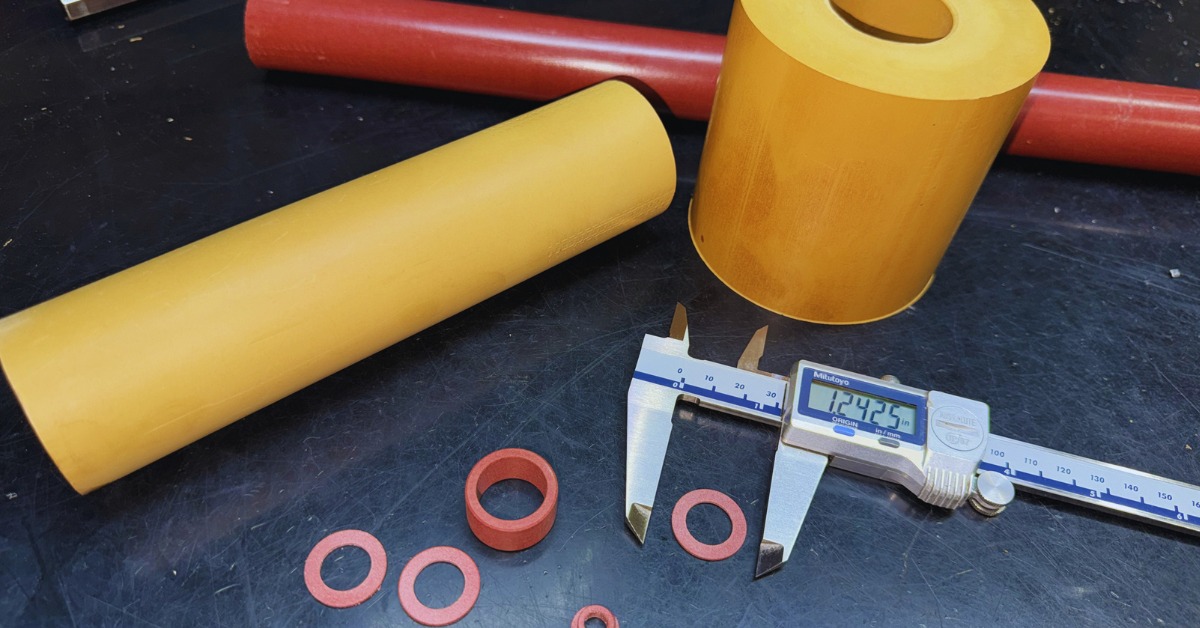
One way that Rulon® J differs from LR is that it works well against mating surfaces such as aluminum, brass, and other plastics. In contrast, Rulon® LR is best suited to hardened steel substrates and may favor harder-running surfaces. Engineers may choose Rulon® J when the mating component cannot tolerate an abrasive bearing material or when the design uses a softer shaft.
Low Friction for Start-Stop Motion
Rulon® J has one of the lowest coefficients of friction among reinforced polytetrafluoroethylene (PTFE) materials, helping it start motion smoothly without unwanted stick-slip behavior. This trait sets it apart from Rulon® LR in applications where the machine cycles between rest and movement rather than operating under a single continuous condition. In precision mechanisms, test equipment, and small bearing assemblies, lower friction can support more controlled movement and less force at startup.
Non-Abrasive Wear Behavior
Rulon® J also offers wear resistance while remaining non-abrasive toward many softer mating materials. That balance can matter when the shaft or counterface costs more to replace than the bearing component itself. Engineers may specify Rulon® J when they need the polymer part to act as the sacrificial wear surface without damaging adjacent hardware.
Characteristics of Rulon® LR
Rulon® LR gives engineers another grade-specific option within the Rulon® material family. This grade deserves its own review because it serves different design priorities than Rulon® J.
Compatibility With Hardened Steel
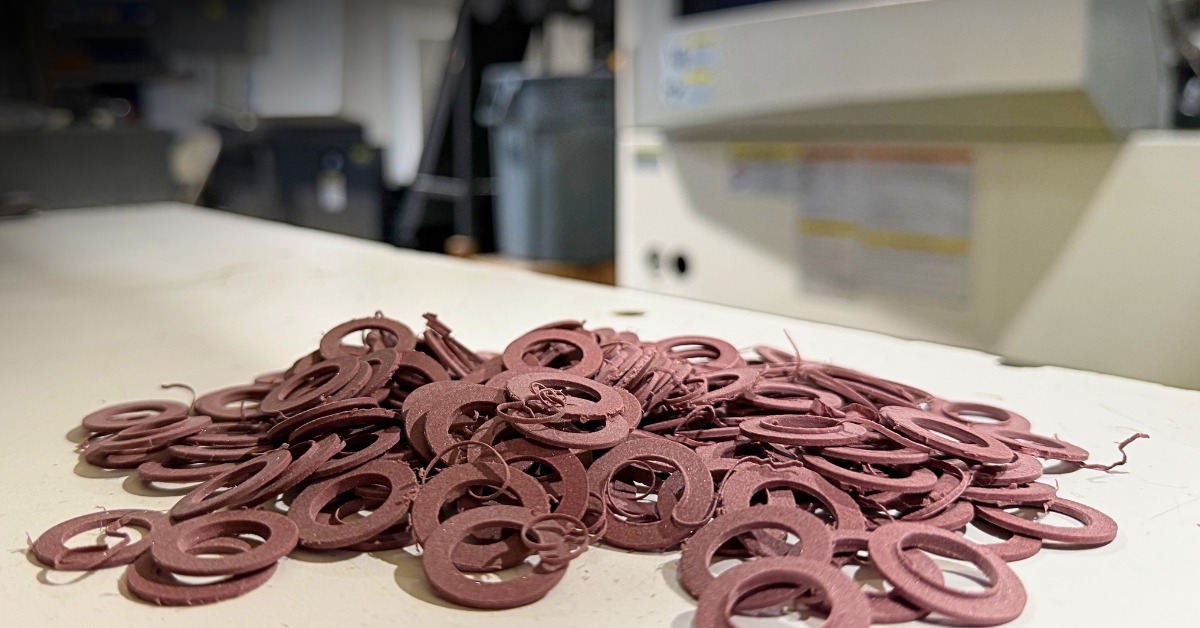
Rulon® LR works best with hardened steel substrates, although mild steel can work in some applications when the design accepts that trade-off. This differs from Rulon® J, which supports softer counterfaces. Engineers may select Rulon® LR when the shaft or running surface is already made of hardened steel, and the bearing must handle long movement cycles without external lubrication.
Standard Bearing Material Use
This plastic also has a long history as a standard material for sleeve, flange, thrust, and linear bearing applications. That practical range sets it apart from Rulon® J, which engineers may favor when the mating surface requires a softer, less abrasive counterpart. When a design starts with a conventional bearing geometry and a hardened steel shaft, Rulon® LR gives teams a familiar grade for evaluation.
Continuous Non-Lubricated Service
A third characteristic is that Rulon® LR supports continuous non-lubricated applications, which can reduce dependence on grease or maintenance access. That makes it different from Rulon® J applications, which may focus more on lower friction with soft mating surfaces or on moderate- to high-speed service. In equipment where lubrication can attract contamination or complicate maintenance, Rulon® LR can help maintain reliable motion over long duty cycles.
Mechanical Strength and Load Support
Rulon® LR uses a filled PTFE formulation modified to increase mechanical properties compared with some other Rulon® materials. That additional load-supporting character helps distinguish it from Rulon® J, which engineers value more for low friction and shaft-friendly behavior. When a design requires a more robust bearing material against a hard shaft, Rulon® LR can provide a better match.
Industries That Use Rulon® J and LR
Although Rulon® J and Rulon® LR have many differences, multiple industries rely on them for machined bearing, seal, and wear components for motion control under demanding conditions. These materials support applications across many technical fields where performance demands shape material selection.
Aerospace
One industry that relies on both grades is the aerospace sector. This industry can place strict demands on friction control and material behavior across repeated motion cycles. Rulon® J may suit mechanisms that include softer metal counterfaces, electrical isolation requirements, or compact components that need smooth movement during start-stop operation. Rulon® LR may suit bearing or wear components that run against hardened steel and require long service life with limited access to lubrication.
Material selection in aerospace also depends on how each component interacts with the rest of the assembly. A bearing material that protects the mating surfaces can help extend the life of hardware in actuators and support systems. By comparing Rulon® J and Rulon® LR early in the design process, engineers can better match the grade to the shaft material, motion profile, and maintenance expectations.
Medical
Medical equipment can require low-friction motion and components that support repeatable positioning. Rulon® J can fit medical assemblies with aluminum, stainless steel, or plastic mating surfaces and that need a bearing material that reduces wear on the adjacent component. Rulon® LR can fit the needs of medical device manufacturing equipment or motion systems that use hardened steel rails, shafts, or guides and require continuous movement without added lubrication.
Semiconductor
Semiconductor equipment depends on precise movement, material compatibility, and components that can perform in controlled manufacturing environments. Rulon® J may fit assemblies that need smooth motion against softer mating surfaces, while Rulon® LR may fit bearing applications that run against hardened steel. With these differences in mind, engineers will match the appropriate Rulon® grade to motion systems, counterface materials, and service conditions in semiconductor tools.
Oil and Gas
Oil and gas equipment can expose bearing, seal, and wear components to friction, loads, and limited access for maintenance. Rulon® J can support lower-friction wear components where the mating surface needs protection, especially when the running surface uses a softer metal. Rulon® LR can support oil and gas applications that use hardened-steel hardware and require reliable motion without added lubrication.
Selecting the right Rulon® grade can help engineering teams improve part performance before production begins. The best choice comes from reviewing the full operating environment rather than choosing a material by name alone. When a design calls for machined bearing, seal, or wear components, material expertise can make the sourcing process more efficient.
To purchase precision-machined parts made from Rulon® material, contact Plastic Machining Inc. today. We can provide you with support for your next application, whether you require Rulon® J or LR plastic.

Leave A Comment