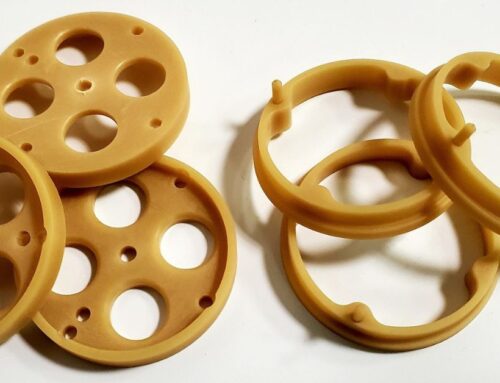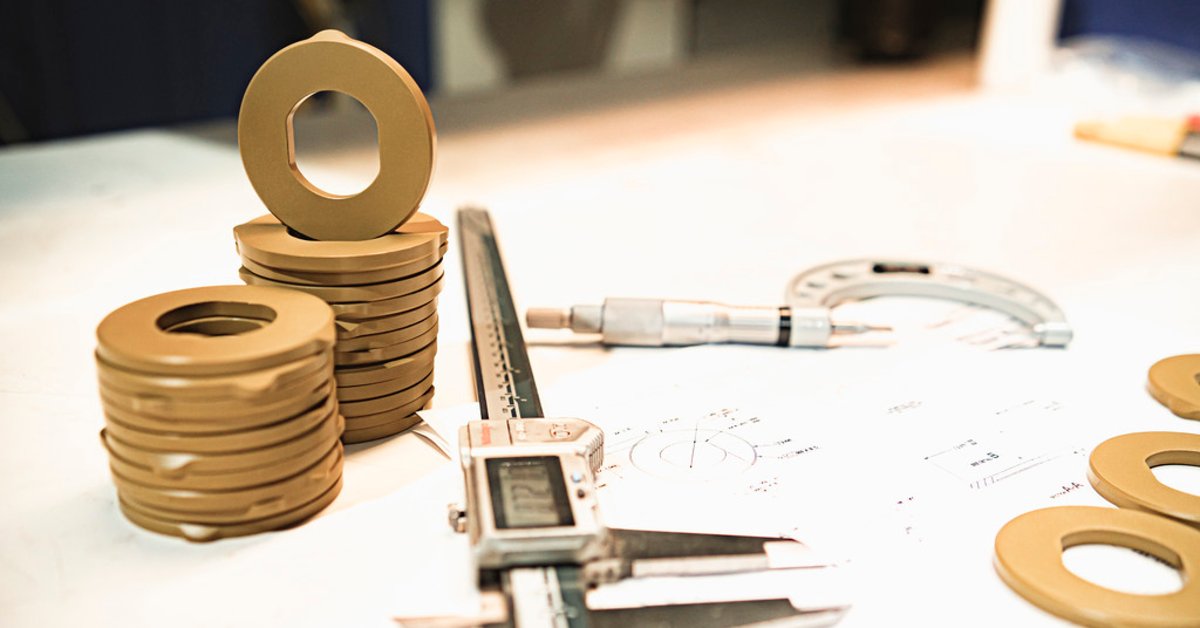
Engineers rarely choose high-performance plastics for one reason alone, especially when a component must handle heat and other demands simultaneously. However, selecting a material can become more complex when a part must replace a metal part or reduce weight.
This has made Torlon® 4203 PAI a practical option when common engineering plastics cannot maintain the needed mechanical profile under demanding service conditions. Read on to learn where this plastic excels in real-world uses.
What Is Torlon® 4203 PAI?
Before we look at the real-world uses of Torlon® 4203 PAI, you may wonder, “What is it?” It is one of the grades of Torlon® polyamide-imide (PAI) plastic. Because it belongs to the PAI family, Torlon® 4203 PAI is well-suited for demanding applications where parts experience elevated temperatures, compression, friction, and repeated mechanical stress.

What Are the Traits of Torlon® 4203 PAI?
After learning about Torlon® 4203 PAI, we can look at the traits that matter when engineers need a machined component for high-value equipment. These characteristics make the material especially useful when a part failure would cause downtime or recurring costs.
High Strength at Elevated Temperatures
One characteristic that makes Torlon® 4203 PAI especially useful is its ability to maintain strength and stiffness at temperatures that would render many standard engineering plastics useless. This trait matters because many parts do not fail at room temperature, but instead lose performance when heat combines with load, vibration, and contact stress. Engineers choose Torlon® 4203 PAI when they need a plastic component that can support demanding mechanical duties while operating near heat sources or inside hot assemblies.
Toughness and Impact Resistance
Torlon® 4203 PAI’s toughness also helps parts tolerate shock and mechanical contact during operation or assembly. This trait gives engineers greater freedom when they need a plastic part to resist cracking under localized stress or uneven loading.
Dimensional Stability Under Load
Engineers also use Torlon® 4203 PAI when a part must maintain tight tolerances after machining and during service. Dimensional stability matters in precision equipment because even small changes in shape can affect sealing or alignment. This material supports applications in which engineers need a component that maintains its geometry under compression, temperature changes, and repeated mechanical cycling.
Wear and Creep Resistance
The toughness of Torlon® 4203 PAI also enables it to resist wear and creep, helping components retain their intended shape and surface function during contact with mating parts. Wear resistance matters for parts that slide, roll, rotate, or press against other surfaces during repeated operation. Creep resistance matters just as much because a loaded plastic part must resist slow deformation that can change fit or alignment over time.
Electrical Insulation Capability
Torlon® 4203 PAI also offers useful electrical insulating behavior for components that must combine mechanical performance with dielectric strength. This combination helps reduce material compromises in assemblies that expose electrical components to heat or mechanical load.
Machinability for Precision Parts
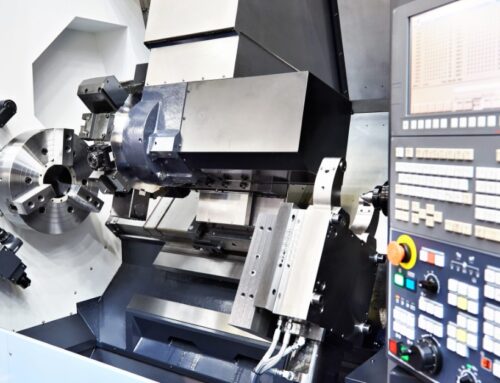
Finally, this material works well for precision-machined parts because it can support tight tolerances in demanding component designs. Machinability matters when engineers need prototypes, replacement parts, or production components with complex geometry and close dimensional requirements. With the right machining approach, engineers can use Torlon® 4203 PAI for parts that require precise features, stable edges, and a reliable fit within critical assemblies.

What Industries Use Torlon® 4203 PAI?
Now, we can examine where Torlon® 4203 PAI excels in real-world uses. Various sectors have turned to this material when they need parts that deliver high performance without compromise.
Aerospace
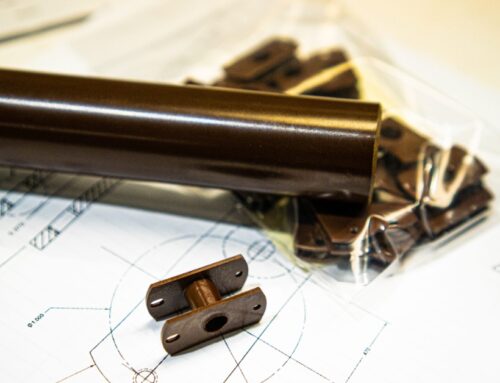
One industry that relies on Torlon® 4203 PAI is the aerospace sector. Engineers use the material for electrical components, insulators, rollers, bushings, and structural plastic parts where metallic weight or corrosion concerns create design tradeoffs. Because aerospace systems place strong demands on reliability, Torlon® 4203 PAI makes sense for parts that must retain performance through temperature shifts, load cycles, and vibration.
Torlon® 4203 PAI also supports aerospace applications where tight tolerances and stable geometry matter during long service cycles. Engineers may use it in machined parts that support motion, spacing, insulation, or load transfer in compact assemblies. Its toughness helps these components resist cracking and wear under repeated contact, mechanical stress, or elevated operating temperatures.
Semiconductors and Electronics
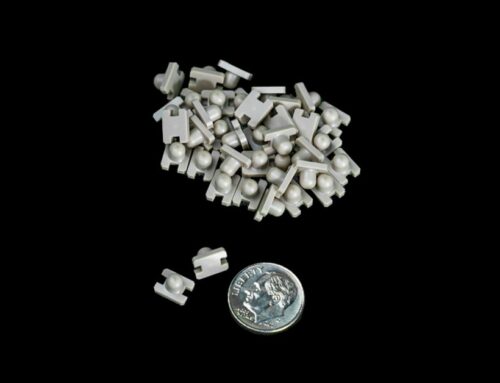
Semiconductor and electronics equipment requires plastic parts with tight tolerances, thermal stability, and electrical insulation in compact assemblies. Engineers use Torlon® 4203 PAI for items such as test sockets, connectors, insulators, and precision-handling components that must support delicate processes without compromising dimensional accuracy. Its combination of machinability and insulation capability gives design teams a material option for complex parts that operate near heat and electrically active features.
Torlon® 4203 PAI can also support parts used in wafer handling, testing, and high-performance electronic assemblies where dimensional movement can affect process consistency. Engineers may choose it when they need small machined features, stable contact surfaces, and high resistance to mechanical wear. In these settings, the material helps parts maintain alignment and repeatable functions inside equipment that demands precision.
Oil and Gas
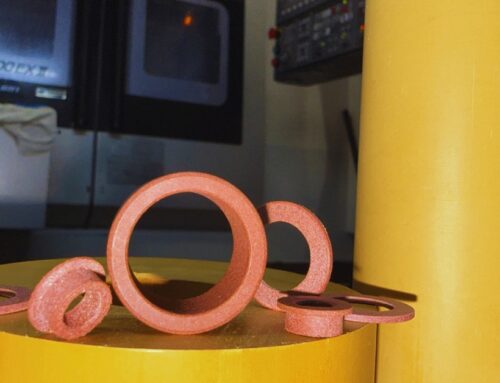
The oil and gas industry also relies on Torlon® 4203 PAI. The equipment in this sector exposes components to heat, pressure, friction, and harsh chemical media. Engineers may specify Torlon® 4203 PAI for valve seats, wear rings, bushings, and related components that need strength and shape retention under mechanical stress. The material can help reduce reliance on metal in selected parts where corrosion resistance, weight reduction, or non-metallic contact surfaces support the equipment design.
Torlon® 4203 PAI also fits oil and gas applications where parts must continue to operate under compression, sliding contact, or repeated cycling. Engineers may use it in components that support sealing, flow control, spacing, or wear protection. Its strength at elevated temperatures helps these parts maintain fit and function when equipment operates in harsh service conditions.
Medical
Medical equipment can require precision plastic parts that support motion, positioning, insulation, or structural functions inside specialized devices. Engineers may consider Torlon® 4203 PAI for non-implant components where high-strength and machinability matter more than commodity material cost. In these applications, the material can support demanding equipment designs when teams need robust plastic parts built to exact specifications.
Torlon® 4203 PAI can also serve components used in diagnostic instruments, surgical equipment, and mechanical assemblies that require repeatable movement or precise alignment. Its toughness and thermal performance also make it useful when equipment designers need dependable plastic components for controlled, high-value medical environments.
After seeing how Torlon® 4203 PAI helps with applications across the aerospace, semiconductor, oil and gas, and medical sectors, you should strongly consider using it for your next application. The material works best when engineers match its traits to the service environment, part geometry, and performance target.
To buy precision Torlon® 4203 PAI parts for your next project, contact Plastic Machining Inc. We’re ready to develop machined components built around your drawings, material needs, and production requirements.