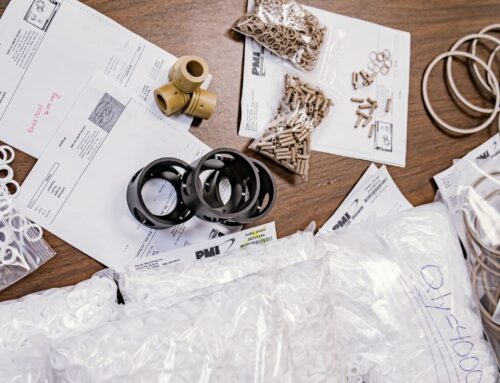
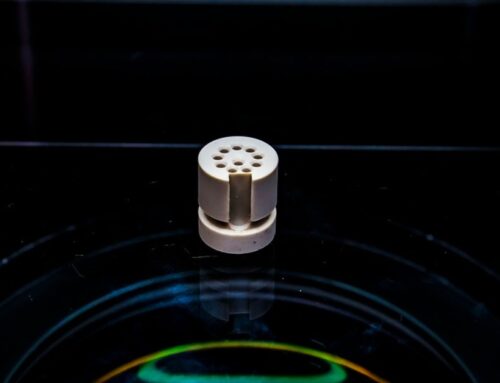
Deciding whether to manufacture plastic components in-house or to partner with a specialized provider is a critical strategic choice for many engineering projects. Although internal production offers some control, there are many compelling reasons to hand off this task. Find out below why you should consider outsourcing plastic machining.
Expert Know-How
One of the most significant advantages of outsourcing is gaining immediate access to a team of specialists. A dedicated plastic machining company possesses deep institutional knowledge of polymer science, tooling, and programming techniques specific to plastics. These materials behave very differently from metals, exhibiting lower thermal conductivity, higher thermal expansion, and a greater tendency to deform under pressure.
An expert partner understands the unique machining characteristics of materials such as high-performance plastics like PEEK, Ultem®, and Torlon®. This expertise is crucial for achieving tight tolerances, superior surface finishes, and maintaining the structural integrity of the final part. They can also provide invaluable guidance on material selection, ensuring the chosen polymer meets the precise mechanical, thermal, and chemical resistance requirements of your application.
Reduced Capital Expenditure and Overhead
Investing in and maintaining a state-of-the-art machine shop represents a substantial capital expenditure. The cost extends far beyond the initial purchase of CNC mills and lathes. It includes ongoing expenses for tooling, maintenance, software licenses, and climate-controlled facilities necessary for precision work. Furthermore, there are significant overhead costs associated with hiring, training, and retaining skilled machinists and quality control personnel.
By outsourcing plastic machining, you can convert these large, fixed capital costs into variable operational expenses. This allows your organization to allocate capital toward core business activities, such as research and development or market expansion. You only pay for the manufacturing services you need when you need them, avoiding the financial burden of underutilized equipment and staff.
Cutting-Edge Technology
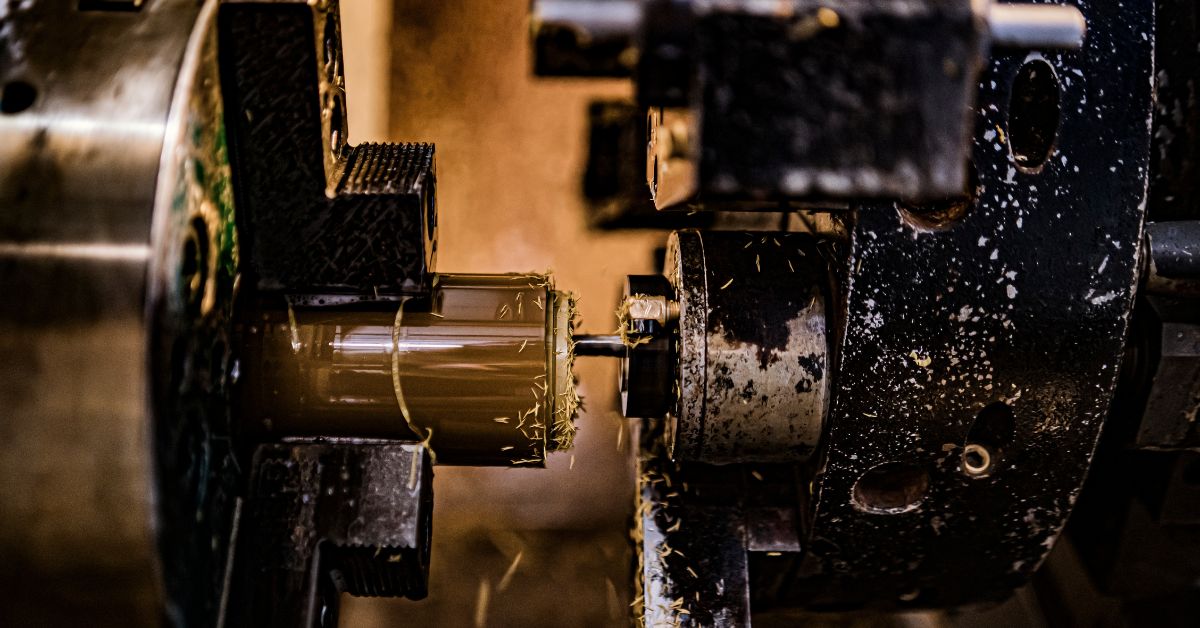
Another reason why you should consider outsourcing plastic machining is that it gives you access to the latest technology. The field of CNC machining is in constant evolution, with advancements in multi-axis machines, automated systems, and sophisticated software.
Leading plastic machining providers consistently invest in the latest technology to enhance precision, efficiency, and capability. This often includes five-axis CNC machines that can produce highly complex geometries in a single setup, reducing the risk of tolerance stacking and improving overall accuracy.
Outsourcing gives your project access to this advanced equipment without requiring any direct investment. A specialized partner will also utilize advanced computer-aided manufacturing software to create optimized toolpaths that minimize machining time and improve surface finish. This technological edge translates directly into higher-quality components that might be difficult or impossible to produce with older, in-house equipment.
Focus on Core Engineering Competencies
For most companies, designing innovative products and solving complex engineering challenges are the primary drivers of value. Although manufacturing components is essential, it can also distract your workers from their core functions. Managing a machine shop, scheduling production runs, and troubleshooting manufacturing issues consumes valuable time and resources that could be better spent on design, prototyping, and testing.
Outsourcing frees your engineering team to concentrate on what they do best. By entrusting production to a reliable partner, your engineers can dedicate their full attention to optimizing part design, refining system performance, and accelerating the development cycle. This strategic focus can lead to more innovative products and a stronger competitive advantage in the marketplace.
Improved Quality Control and Consistency
Reputable plastic machining suppliers operate under robust quality management systems, often with certifications like ISO 9001. These systems govern every stage of the manufacturing process, from initial material inspection to final part verification. They employ advanced metrology equipment, including coordinate measuring machines, optical comparators, and profilometers, to ensure every component adheres strictly to the specified dimensions and tolerances.
This rigorous focus on quality control yields greater part-to-part consistency, which is critical for assembly and product reliability. This level of diligence reduces the likelihood of costly defects, rework, and production delays.
Increased Production Flexibility and Scalability
Demand for manufactured components can fluctuate significantly based on project timelines, market changes, and product life cycles. Maintaining an in-house machine shop capable of efficiently handling both small prototype runs and large-scale production volumes is a significant challenge. It often leads to either idle capacity during slow periods or bottlenecks during peak demand.
Outsourcing provides you with inherent flexibility and scalability. A specialized provider has a large capacity and a diversified customer base, enabling them to absorb demand fluctuations seamlessly. Whether you need a handful of prototypes for initial testing or thousands of parts for full-scale production, an outsourcing partner can adjust its resources to meet your requirements, ensuring a reliable and uninterrupted supply chain.
Reclaimed Space
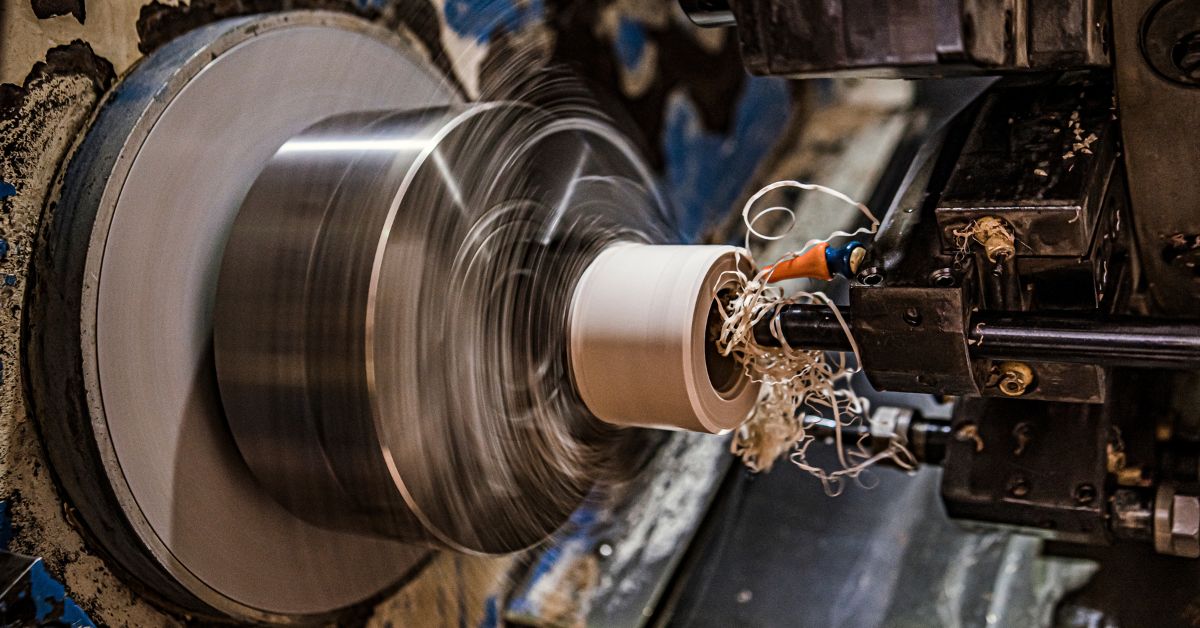
Space is a finite and valuable asset in any manufacturing or engineering facility. By outsourcing plastic machining, you reclaim significant square footage that heavy machinery and auxiliary systems would otherwise occupy. CNC mills, lathes, and routers have substantial footprints, not to mention the safety zones required around them for operator movement and maintenance access.
Furthermore, the logistical footprint of a machine shop includes designated areas for tooling libraries, coolant recycling systems, and chip collection bins. By partnering with a dedicated provider, you can repurpose this floor space for high-value activities that directly contribute to your core engineering goals, such as expanded assembly lines or testing stations. This strategic reallocation allows you to maximize the utility of your existing facility without the need for costly expansions or new real estate investments.
Mitigated Production Risks
Managing an internal manufacturing operation involves numerous risks, including equipment failures, workforce challenges, and disruptions to the supply chain for raw materials. An unexpected machine breakdown or the departure of a key machinist can bring production to a halt, jeopardizing project deadlines.
By outsourcing, you transfer many of these operational risks to your manufacturing partner. A well-established supplier has redundant equipment, a team of cross-trained technicians, and strong relationships with material distributors to ensure continuity of production. They are better equipped to manage unforeseen challenges, providing you with a more resilient and dependable supply chain for your critical plastic components.
These examples show how outsourcing offers clear advantages in expertise, cost efficiency, and operational agility. By leveraging the specialized capabilities of a dedicated partner, you can improve component quality, reduce capital risk, and accelerate your product development lifecycle.
To ensure your next project benefits from unparalleled precision and material knowledge, consider Plastic Machining Inc.’s CNC plastic machining services. Reach out to us today to learn how our team can provide the components you need to bring your innovative designs to life.