When engineers have applications that demand strength, thermal stability, and long-term reliability, they often choose to work with high-performance polymers. Torlon® stands out among these materials because it maintains mechanical integrity in environments that challenge many other plastics.
However, machinists must use the right techniques with this advanced polyamide-imide to achieve consistent precision and surface quality. This blog explores several key tips and techniques engineers and machinists can use to master Torlon® machining.
Use Proper Annealing Practices Before Machining
Before beginning production, machinists can enhance machining stability by annealing Torlon® stock first. This process relieves internal stresses that can form during polymer manufacturing. When those stresses remain in the material, the workpiece may move or distort as machinists remove material.
Engineers who machine Torlon® for tight-tolerance applications frequently schedule an annealing cycle before rough machining begins. However, they may also anneal Torlon® components after machining to relieve stresses introduced during cutting. The result is improved dimensional accuracy and more consistent part geometry.
Choose the Right Tooling for Torlon® Machining
Tool selection is critical for machining Torlon® material. Its strength demands tools that maintain sharp edges and resist wear throughout extended production runs. Carbide tooling often delivers the best performance because it provides the rigidity and durability necessary for high-precision cutting.
Engineers should also avoid dull or worn tools when machining Torlon®. Dull tools generate excess heat and can deform the workpiece during machining. Excess heat may also degrade the polymer at the cutting surface. By performing regular tool inspections and replacing tools as needed, machinists can maintain reliable machining conditions and prevent part defects.
Control Heat Generation During Machining
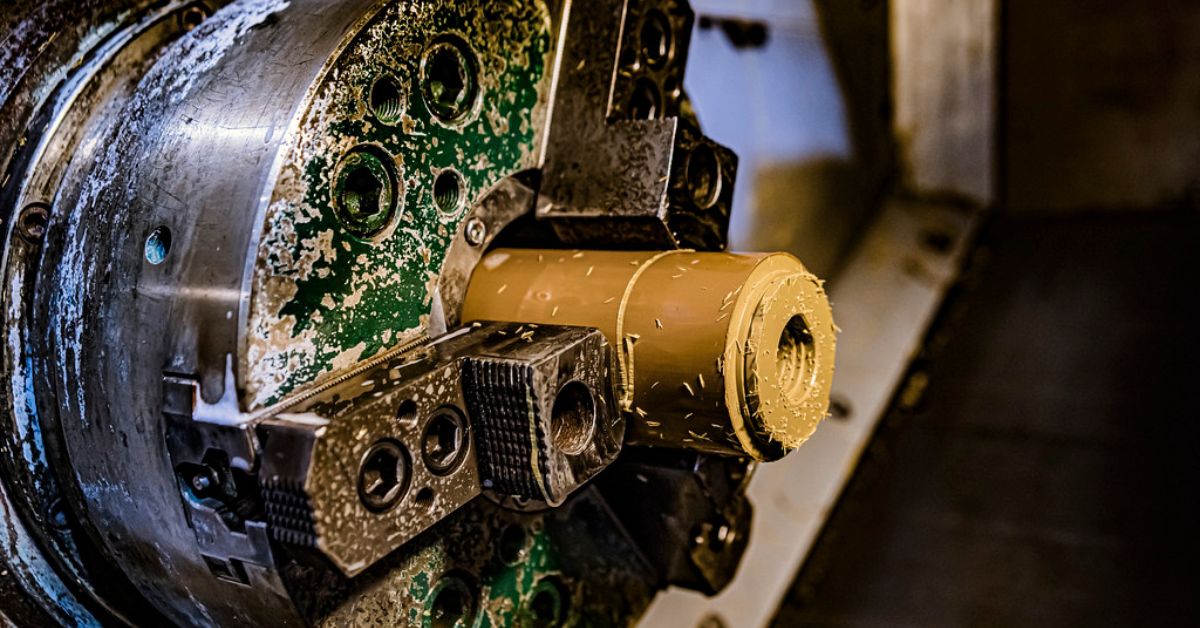
Another key tip for mastering Torlon® machining is to control heat generation during the process. Even though Torlon® performs well at elevated temperatures in service, localized heat buildup during cutting can affect dimensional accuracy and surface finish. Excessive heat can also accelerate tool wear and create stress in the workpiece.
Machinists can control heat by focusing on chip removal and tool engagement. A consistent chip load allows the cutting tool to shear material efficiently rather than rub against the surface. When rubbing occurs, friction rises quickly and generates unnecessary heat at the cutting edge.
Shops often use air blasts to remove chips from the cutting zone and carry heat away from the tool. Compressed air helps maintain a clean cutting path and prevents hot chips from recutting the surface. Some machinists also apply light coolant or mist cooling when operations involve deep pockets or extended tool engagement.
The toolpath strategy also plays a major role in heat management. Adaptive milling paths or step-over adjustments reduce the time the cutting edge remains engaged with the material. Shorter engagement periods allow both the tool and the workpiece to dissipate heat more effectively between passes. By combining efficient chip evacuation, stable chip loads, and smart toolpaths, machinists can maintain lower cutting temperatures and achieve more consistent machining results with Torlon®.
Optimize Feed Rates and Cutting Speeds
Successful Torlon® machining also requires balanced cutting parameters. Your feed rates and cutting speeds must work together to maintain clean cuts and stable material behavior.
Machinists should avoid extremely slow feed rates. Slow feeds increase friction between the tool and the material, creating unnecessary heat and tool wear. Instead, machinists should apply steady feed rates that allow the tool to cut efficiently.
Cutting speeds should remain moderate to prevent excessive thermal buildup. Engineers often test different speeds and feed combinations to determine the best parameters for a specific part geometry. Careful parameter optimization allows machinists to produce consistent parts without sacrificing dimensional accuracy or tool life.
Maintain Dimensional Stability Throughout the Process
Torlon® offers exceptional dimensional stability, which engineers value in high-precision applications. However, machining operations can still introduce stress if machinists do not plan their process carefully.
Machinists should remove material gradually rather than attempt aggressive cuts in a single pass. Gradual material removal reduces internal stress and helps maintain part geometry during machining. Engineers should also plan machining sequences that distribute cutting forces evenly across the part.
Your clamping strategy also affects dimensional stability. Excessive clamping pressure can distort the workpiece and cause dimensional errors after machining. Careful fixturing and balanced cutting operations help machinists maintain the tight tolerances that engineers expect from Torlon® components.
Plan for Tight Tolerances and Precision Finishing
Many Torlon® components serve in environments that demand extremely tight tolerances. Aerospace assemblies, semiconductor tools, and precision instrumentation often rely on components that must maintain exact dimensions.
Machinists should plan finishing passes carefully to achieve these tolerances. Light finishing cuts allow the tool to refine the surface without introducing stress or distortion. These finishing passes also help achieve smoother surface finishes.
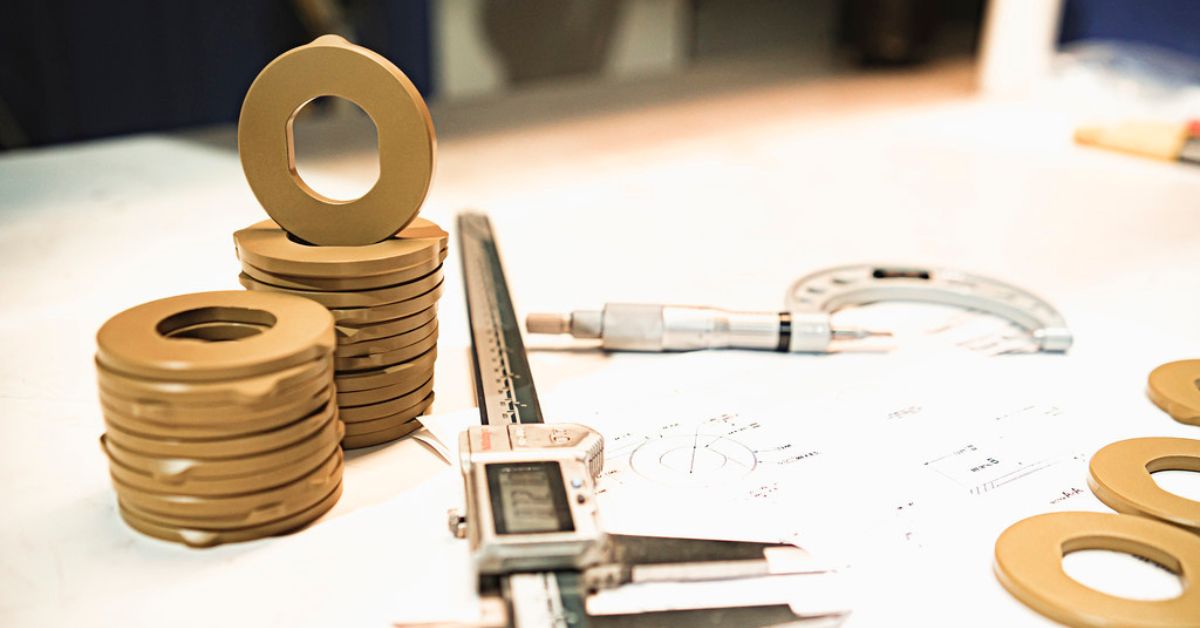
Engineers often incorporate inspection steps during machining to confirm dimensional accuracy at key stages. Frequent measurement allows machinists to adjust parameters before deviations affect the final part. Precision finishing ensures that Torlon® components perform reliably in demanding engineering environments.
Design Your Parts With Machining in Mind
Your part’s design can also affect machining efficiency and the final quality. Engineers who design Torlon® components with machining considerations in mind can simplify production and improve overall accuracy.
Designers should avoid unnecessarily sharp internal corners because tooling limitations make these features difficult to machine accurately. Generous radii allow cutting tools to move smoothly through the material and reduce stress concentrations in the finished part.
Wall thickness also affects machining stability. Extremely thin sections may deflect during cutting, which leads to dimensional errors or surface imperfections. Engineers should design balanced geometries that maintain structural support during machining. Thoughtful design decisions reduce machining complexity and allow manufacturers to produce reliable Torlon® components more efficiently.
Perform Proper Inspections and Maintain Quality Control
High-performance applications require rigorous inspections and traceability. Engineers expect Torlon® parts to perform consistently under demanding conditions, so machinists must verify every critical dimension.
Advanced inspection software and measurement systems can help manufacturers maintain strict quality standards and produce documentation. These systems allow machinists to track tolerances, confirm material integrity, and verify dimensional stability throughout the production process.
Comprehensive inspection practices also support traceability for regulated industries. Aerospace, medical, and semiconductor sectors often require detailed reporting and verification for every component. Companies that invest in advanced inspection capabilities ensure that Torlon® parts meet the demanding requirements of modern engineering applications.
Torlon® machining demands careful planning, precise tooling, and a deep understanding of the material’s unique properties. Engineers who follow these machining techniques can achieve exceptional precision and performance from this advanced polymer.
However, if you would like to simplify your operations and leave machining to another company, contact Plastic Machining Inc. today. Our experienced team can help your company secure high-performance Torlon® components for demanding industrial environments.