Engineers designing components for harsh operating environments must balance performance requirements against material limitations. Extreme temperatures, high loads, aggressive chemicals, and demanding wear conditions can challenge even the most durable materials.
Both metals and advanced polymers like Vespel® can play important roles in applications where conventional materials fail to meet operational demands. Understanding the differences between these options can help engineers make informed decisions when choosing materials. Read on as we look at how Vespel® material and metal perform in extreme conditions.
Benefits of Metal in Extreme Conditions
Metal materials have supported demanding industrial applications for decades because they provide dependable mechanical performance under severe operating conditions. Their combination of attributes makes them valuable in many environments where structural integrity remains a primary concern.
High Mechanical Strength
Many metals provide exceptional tensile and compressive strength, allowing components to withstand substantial mechanical loads. Engineers frequently select stainless steel, titanium, and nickel alloys when equipment must withstand heavy loads without deforming. This capability makes metals attractive for structural components that experience continuous loading throughout their service life.
Metals also maintain their load-bearing properties across a wide range of industrial applications. Their resistance to fracture under demanding mechanical conditions supports long-term reliability in critical systems. These characteristics make metal components suitable for applications where safety factors require substantial strength margins.
Superior Impact Resistance
Extreme operating environments can expose components to sudden impacts and shock loading. Metals generally absorb impact energy effectively while maintaining structural integrity during these events. This characteristic helps reduce the likelihood of catastrophic failure under unexpected forces.
Many metal alloys combine toughness with ductility, allowing them to deform before breaking. Engineers value this behavior because it provides warning signs before component failure develops. Such performance remains important in aerospace, energy, and heavy industrial equipment.
Excellent Thermal Conductivity
Metal materials transfer heat efficiently, making them useful in applications that require rapid heat dissipation. Components exposed to elevated temperatures can benefit from the ability to move thermal energy away from critical areas. This property helps maintain operating temperatures within acceptable limits.
Heat exchangers, electronic housings, and thermal management systems frequently rely on metallic materials for this reason. Improved heat transfer can support equipment performance and reduce localized hot spots. Engineers may prioritize this capability when temperature control represents a major design objective.
Long-Term Structural Stability
Metals maintain dimensional integrity under substantial mechanical stress and prolonged loading conditions. Their predictable behavior allows engineers to design components with confidence when structural performance remains the primary concern. This consistency contributes to reliable operation across demanding service environments.
Many industries depend on metal materials because extensive performance data exists for common alloys. Engineers can evaluate expected behavior using well-established design standards and testing methods. These resources simplify material selection for highly regulated applications.
Benefits of Vespel® in Extreme Conditions
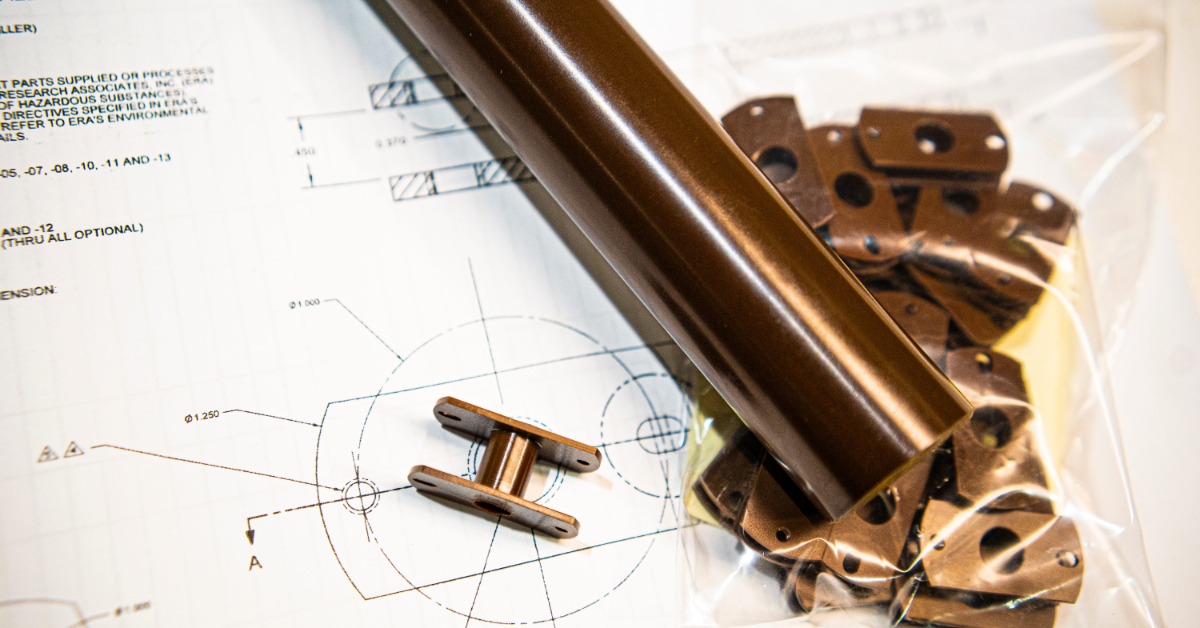
After examining metal in extreme conditions, we can now consider Vespel® material. Engineers have applied this family of advanced polyimide materials in applications that challenge conventional engineering plastics. But the material can also compete with metals in many extreme operating environments.
Outstanding High-Temperature Performance
One advantage of using Vespel® is that it maintains mechanical properties across temperature ranges that exceed the capabilities of many engineering plastics. The material performs reliably in environments where prolonged exposure to elevated temperatures would cause other polymers to soften or degrade. Engineers frequently specify Vespel® for applications involving continuous thermal stress.
This temperature capability supports performance in aerospace systems, semiconductor equipment, and industrial machinery. Components can continue functioning without substantial loss of dimensional accuracy or mechanical integrity. Such reliability makes the material attractive for demanding thermal environments.
Exceptional Wear Resistance
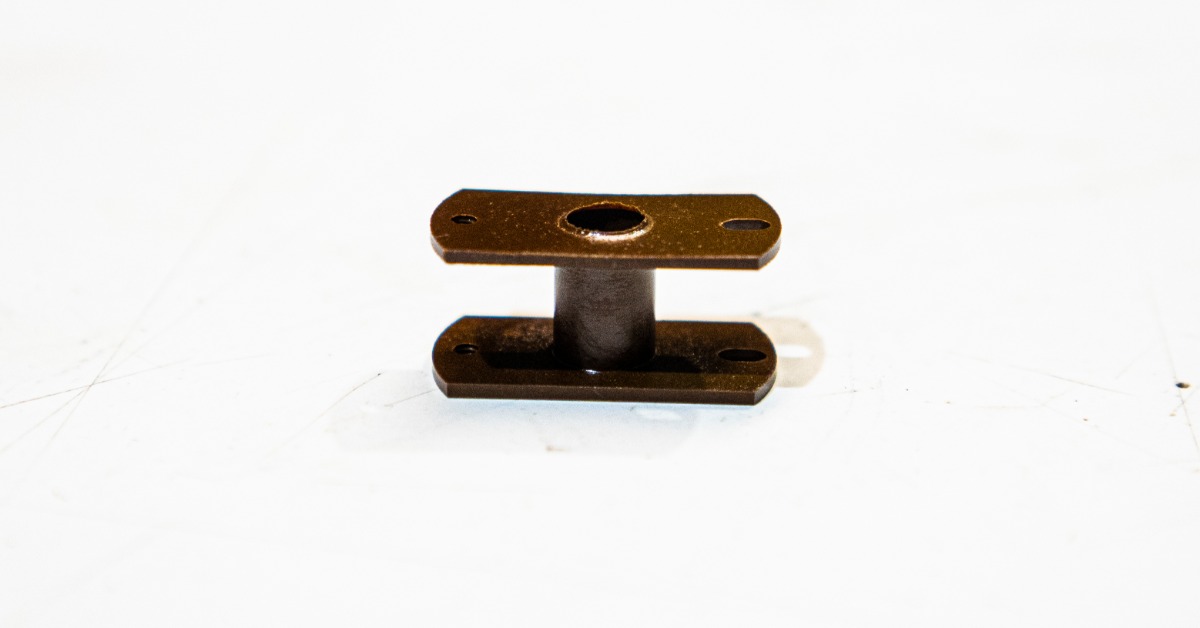
Many extreme operating environments involve friction and repetitive motion that can accelerate component wear. Vespel® offers excellent wear resistance, helping components maintain dimensional accuracy throughout extended service periods. This characteristic can reduce maintenance requirements and the frequency of component replacement.
The material performs particularly well in bearings and other moving components. Reduced wear contributes to more predictable operation and longer service intervals.
Low Friction Characteristics
Vespel® also exhibits naturally low-friction properties that support smooth movement between mating surfaces. Components manufactured from the material can operate effectively with minimal lubrication or, in some cases, without lubrication altogether. This capability provides advantages in environments where lubricants present contamination concerns.
Semiconductor manufacturing equipment and aerospace applications frequently benefit from this characteristic. Reduced friction can lower energy consumption while minimizing wear on adjacent components. These benefits support reliable operation in demanding conditions.
Lightweight Construction
Weight reduction remains an important objective in many industries, particularly the aerospace and transportation sectors. Vespel® offers a favorable strength-to-weight ratio, enabling engineers to reduce component mass without sacrificing performance. Lighter components can contribute to improved system efficiency and simplified handling.
Replacing metal components with Vespel® may reduce overall equipment weight while maintaining required functionality. Lower mass can also decrease inertia in moving assemblies. These advantages become increasingly valuable as manufacturers pursue greater operational efficiency.
Strong Chemical Resistance
Extreme environments frequently expose components to aggressive chemicals, solvents, fuels, and process gases. Vespel® resists many chemical agents that can degrade conventional materials during long-term exposure. This capability helps preserve mechanical performance and dimensional accuracy.
Chemical resistance supports use in semiconductor processing, aerospace systems, and industrial manufacturing environments. Components remain functional despite contact with challenging substances encountered during normal operation. Engineers value this durability when evaluating long-term material performance.
Excellent Dimensional Stability
Precision applications require materials that maintain tight tolerances despite changes in temperature, humidity, and operating conditions. Vespel® exhibits exceptional dimensional stability, allowing components to retain their intended geometry during service. This property supports accurate and repeatable system performance.
Semiconductor manufacturing equipment and scientific instruments frequently require extremely precise component dimensions. Small dimensional changes can affect alignment, positioning, and overall functionality. Vespel® helps address these challenges through consistent performance under demanding conditions.
Reduced Corrosion Concerns
Unlike many metallic materials, Vespel® does not corrode when exposed to moisture or many chemical environments. Engineers can avoid concerns related to oxidation and corrosion-related degradation that may affect certain metals. This characteristic contributes to long-term reliability in challenging operating conditions.
Reduced corrosion susceptibility can also decrease maintenance requirements over the life of a component. Equipment operators benefit from more predictable performance and fewer material-related failures. These advantages support applications where environmental exposure remains unavoidable.
Material selection plays an important role in the long-term performance, reliability, and cost of components operating in demanding environments. While metals remain a valuable choice for many applications, advanced materials such as Vespel® offer engineers additional options when conventional solutions do not meet specific design objectives. Evaluating operating conditions, performance requirements, and system priorities helps determine which material will deliver the greatest value over the life of a component.
If your application requires precision-machined Vespel® plastic parts, contact Plastic Machining Inc. today. We’re ready to discuss a custom solution that can meet your performance goals.