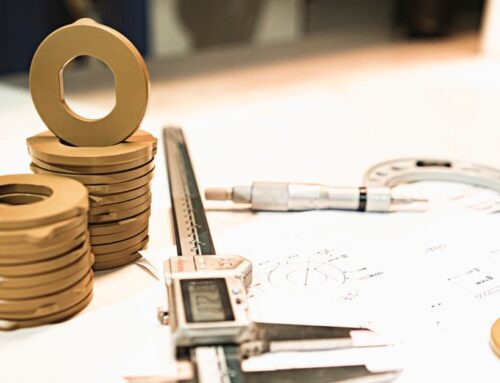
Engineers across industries often face unique challenges that require specialized components tailored to demanding project specifications. Whether it’s developing prototypes, optimizing system performance, or addressing specific application requirements, the need for custom plastic parts is a common and crucial aspect of many engineering workflows. In this blog, we’ll take a detailed look at how custom plastic parts are designed and manufactured, outlining the key stages that lead from concept to finished component.
Initial Concept and Design
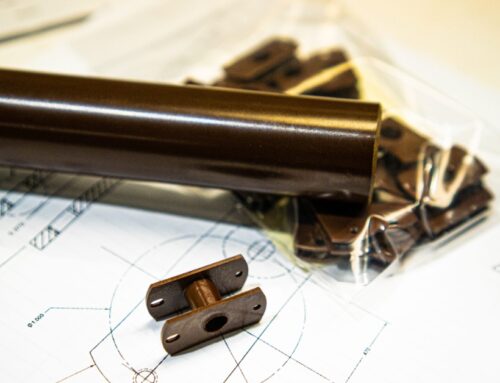
The first step in the manufacturing journey is translating this concept into a detailed digital blueprint with computer-aided design (CAD) software. With a fabrication company’s help, engineers can create a 3D model of the part, defining its exact geometry, dimensions, and features with high precision. This digital model is the master reference for the entire project.
During this phase, they address crucial design aspects, including wall thickness, molding draft angles, and the placement of ribs or bosses for structural support. The goal is to create a design that is functional and manufacturable. The design-for-manufacturability analysis also helps them identify potential issues early, preventing costly errors and delays during production.
Polymer Selection
Choosing the right plastic is a critical decision that directly impacts the part’s performance, lifespan, and cost. With thousands of polymers available, each with unique properties, this selection process requires careful consideration of the part’s intended application. Your fabrication company can assist you in this process as you review key factors such as mechanical strength, temperature resistance, chemical compatibility, flexibility, and electrical insulation properties.
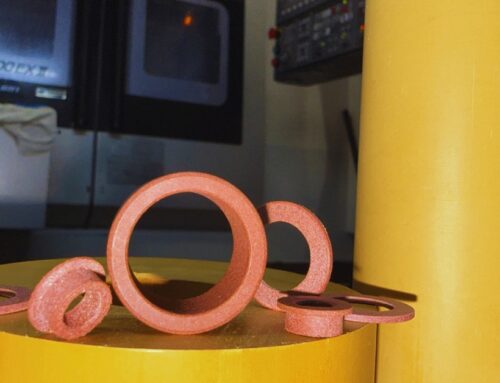
For example, if you need high-performance thermoplastics that offer outstanding thermal stability, chemical resistance, and mechanical strength, you want to may turn to PEEK and Ultem® for your demanding applications. For even more specialized requirements, materials such as Polyimide and Vespel® offer exceptional heat resistance, dimensional stability, and wear resistance.
Another high-performance option is Polyphenylene Sulfide (PPS), which engineers value for its excellent chemical resistance, outstanding dimensional stability, and ability to retain strength at elevated temperatures. PPS’s resistance to corrosive chemicals and high thermal durability make it particularly well-suited to demanding industrial, electrical, and automotive components. Working with an experienced fabricator ensures that you match each project’s unique functional and environmental demands with the optimal material.

Prototyping
Before committing to expensive tooling and large-scale production, it is essential to make prototypes. Prototyping allows engineers to test the part’s form, fit, and function. This step provides an opportunity to identify design flaws, test assemblies, and gather feedback before moving forward. This subtractive process starts with a solid block of production-grade plastic and precisely carves out the desired part, closely matching the final geometry and material properties.
CNC prototypes offer exceptional accuracy, surface finish, and mechanical performance, allowing engineers to thoroughly evaluate and test their designs before committing to full-scale production. This method ensures the prototype reflects real-world use, providing valuable insights for any necessary design adjustments.
Choosing the Manufacturing Method
Once the design has been finalized and validated, selecting the optimal manufacturing method is essential. Engineers and fabrication companies will make this decision based on part complexity, the required tolerances, material type, and production volume. Two examples of processes are plastic lathes and plastic milling, each offering unique capabilities for engineered components.
Plastic Lathes
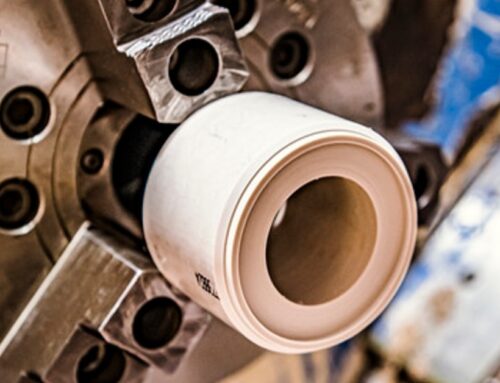
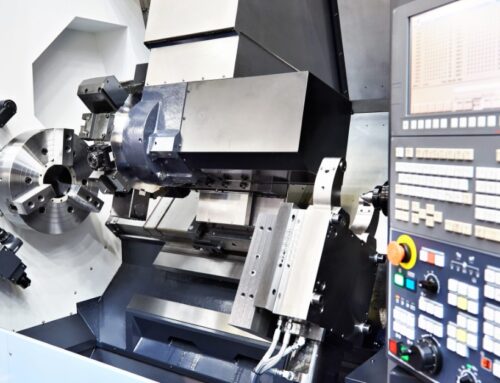
Fabrication companies will employ plastic lathes to machine cylindrical or symmetrical parts with extreme precision. In this process, the plastic workpiece rotates at high speed while cutting tools shape the material along its axis.
This method is ideal for creating bushings, rods, rings, and threaded parts—any application where roundness and concentricity are critical. The flexibility of CNC-controlled lathes enables the production of both simple geometries and complex contours with tight tolerances.
Plastic Milling
Plastic milling utilizes computer-controlled rotary cutters to remove material from a stationary plastic block. This method is particularly effective for machining flat, prismatic, or intricately detailed components that require precise pocketing, slotting, or complex surface profiles.
Milling excels at producing mounting plates, brackets, housings, and any part with features such as holes and slots that require high accuracy. Modern milling machines offer multi-axis capabilities for advanced geometries, ensuring efficient fabrication and consistent quality.

Quality Control and Inspection
Although you may now think the process of designing and manufacturing custom plastic parts is complete, there are two additional steps you should be aware of. Regardless of the manufacturing method, a rigorous quality control process is essential to ensure every part meets the required specifications.
This process actually starts early on with the inspection of raw materials and continues throughout the production cycle. Finished parts undergo a series of checks to verify their dimensional accuracy, structural integrity, and cosmetic appearance.
Fabricators use advanced metrology tools, such as coordinate measuring machines, laser scanners, and visual inspection systems, to compare the finished parts against the original model. These tools can measure dimensions with micron-level accuracy. By implementing strict quality assurance protocols, manufacturers can guarantee that the final products are free of defects and perform as intended.
Finishing and Post-Processing
After the primary manufacturing process is complete, many plastic parts require finishing or post-processing steps to achieve their final specifications. These secondary operations can enhance the part’s appearance, improve its properties, or prepare it for assembly. The specific steps depend on the part’s intended use and the manufacturing method employed.
Standard finishing techniques include sanding, polishing, or vapor smoothing to create a smooth surface finish. Fabricators can also paint, plate, or print logos and text on parts. Laser engraving is another valuable finishing process that enables precise, permanent markings such as logos, part numbers, or barcodes.
This is particularly useful for customization and traceability, ensuring users can clearly identify each component according to your requirements. For functional enhancements, post-processing might involve drilling and tapping holes, installing threaded inserts, or joining multiple components together through ultrasonic welding or bonding. These final touches are crucial for delivering a complete, market-ready product.
Bringing a custom part from a digital file to a physical component requires expertise and precision at every stage. The journey through design, prototyping, and production is complex, but understanding it helps ensure a successful outcome.
At Plastic Machining Inc., we specialize in turning your complex designs into high-quality, functional components. Contact us today to learn how our expert plastic fabrication services can help you achieve your manufacturing goals with efficiency and precision.